

Stay with us and find out where the next one takes us.
- How Much Does It Cost to Make a Music Video? - October 19, 2026
- 8 Future Classic Cars Worth Buying Before Prices Start Rising - October 19, 2026
- 7 Celebrities Who Actually Look Better After Plastic Surgery - October 19, 2026
A car does not have to be rare to become valuable. Consider the original Mazda Miata. Mazda built hundreds of thousands of them, yet enthusiasts still compete for clean, unmodified examples. The attraction comes from the experience behind the wheel, the memories associated with the car and the increasing difficulty of finding one in excellent condition.
Generational nostalgia has a significant influence on the market. People who admired a particular car at sixteen may finally have the money to buy one at forty. The cars featured in Gran Turismo, Need for Speed, automotive magazines and television programs during the 1990s and 2000s are now reaching that audience.
Collector vehicle insurer Hagerty has documented the shift. Its 2026 Bull Market List includes the C6 Corvette Z06, E60 BMW M5 and second-generation Mazda Miata. The research combines auction results, private sales, insurance valuations and collector interest. It identifies promising vehicles rather than guaranteeing future price increases.
Condition is another part of the equation. Enthusiasts may forgive mileage on a well-maintained car, but corrosion, missing trim, poor body repairs and questionable modifications can make an otherwise desirable model difficult to sell. A factory-original car with complete service records is generally more appealing to a preservation-minded collector than one with an undocumented engine swap.
Owners planning to keep a future classic for several years should also consider where it will spend most of its time. Sun exposure damages paint and interior materials, and leaving a car outdoors can accelerate deterioration. For enthusiasts without garage space, services such as Vehicle Storage Las Vegas provide a way to compare local facilities offering vehicle parking and storage.
Covered or enclosed spaces are especially worth considering for cars used only on weekends, although security, ventilation and storage conditions should be reviewed before booking.
1. Honda Prelude (1997 to 2001)
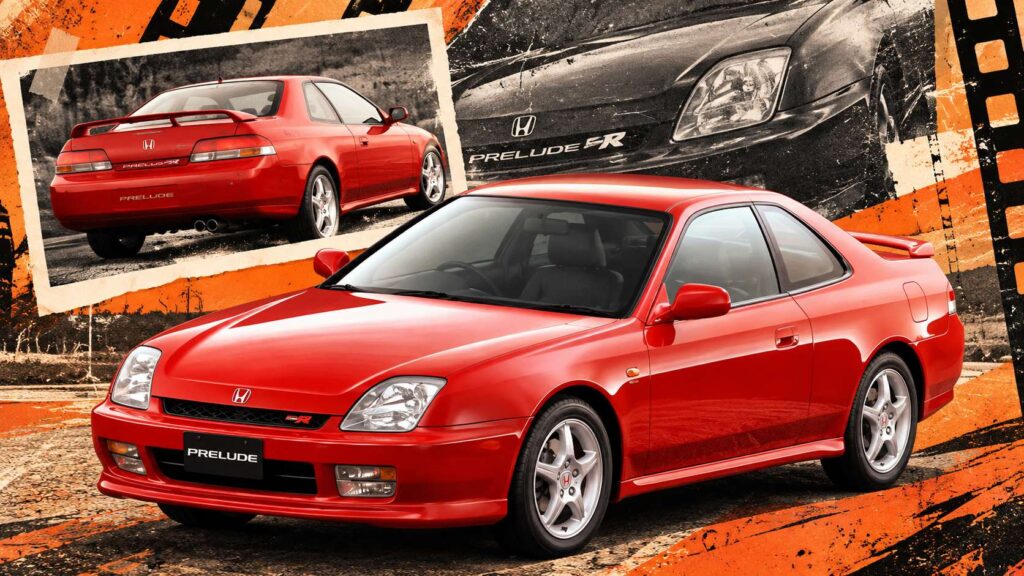
Honda once sold a coupe that could out-handle more expensive cars, comfortably accommodate daily driving and survive years of ownership with proper maintenance. Then it discontinued the Prelude in 2001, and the final generation spent much of the following two decades in the shadow of the Integra Type R and S2000.
The fifth-generation Prelude deserves another look. Its 2.2-liter VTEC engine produced up to 200 horsepower in the American market, and the manual version rewarded drivers who enjoyed working through the gears. The Type SH added Honda’s Active Torque Transfer System, an ambitious attempt to improve cornering behavior in a front-wheel-drive car.
Styling is another advantage. The clean bodywork, low roofline and restrained proportions have aged well without relying on oversized wings or exaggerated air intakes.
There is evidence of growing collector interest. In its 2025 Bull Market List, Hagerty identified the Prelude as an emerging favorite among younger enthusiasts and gave an excellent example a reference value of $17,400 at the time. The company found that Prelude owners in its insurance data were, on average, 13 years younger than the typical enthusiast.
However, many surviving cars have aftermarket suspension, modified engines or neglected maintenance. Rust, automatic transmission problems and the condition of the Type SH system deserve careful inspection. A standard manual Prelude with original paint and complete records may ultimately be more appealing than a heavily modified example with a more desirable badge.
2. Mini Cooper S R53 (2002 to 2006)
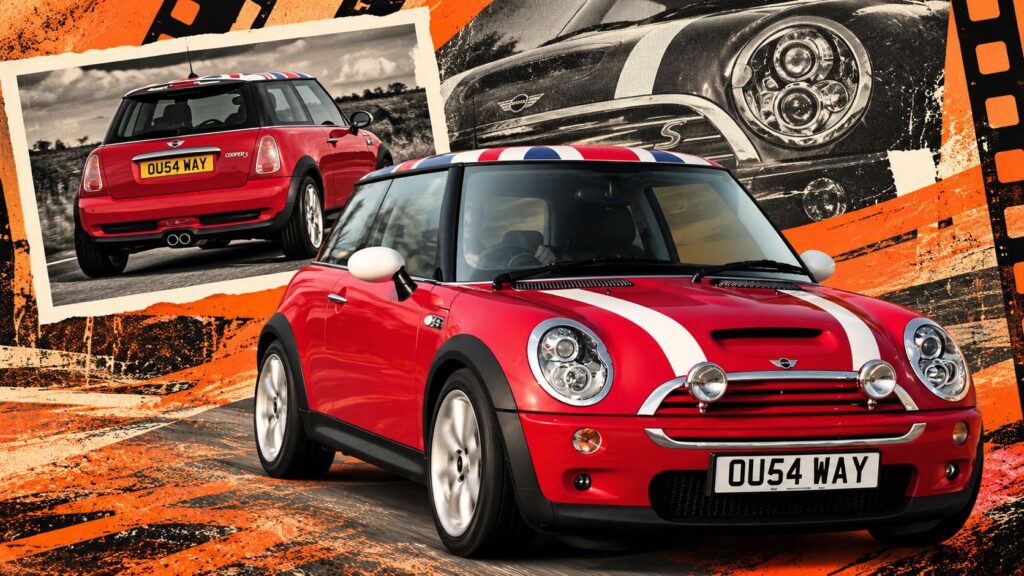
BMW could have turned the revived Mini into a fashionable shopping car and left it there. Instead, the company created a genuinely entertaining hot hatchback with quick steering, a firm chassis and a supercharger that announced itself every time the driver accelerated.
The R53 Cooper S is the version to remember. Its 1.6-liter engine produced 163 horsepower in early American models and 168 horsepower after the update. A six-speed manual transmission gave the car an unusually engaging character for something designed primarily for everyday use.
The supercharger whine is a major part of the appeal. Later turbocharged Minis became faster and more sophisticated, but they never sounded quite like the original Cooper S.
Hagerty included the R53 in its 2025 collector watchlist. More recent valuation data is revealing. Its October 2026 guide reports an annual decline of 2% for a 2002 Cooper S in good condition, showing that enthusiasm has not translated into uninterrupted price growth. Buyers still have opportunities to search patiently rather than pay inflated asking prices.
Cooling-system maintenance, supercharger servicing, power steering and engine mounts are important considerations. A cheap R53 with several deferred repairs can consume its purchase-price advantage quickly.
The most appealing examples retain their original appearance, factory wheels and manual gearbox. Cars modified for maximum supercharger noise or aggressive suspension setups may be entertaining, but originality is more relevant to long-term collectibility.
3. Chevrolet Corvette Z06 C6 (2006 to 2013)
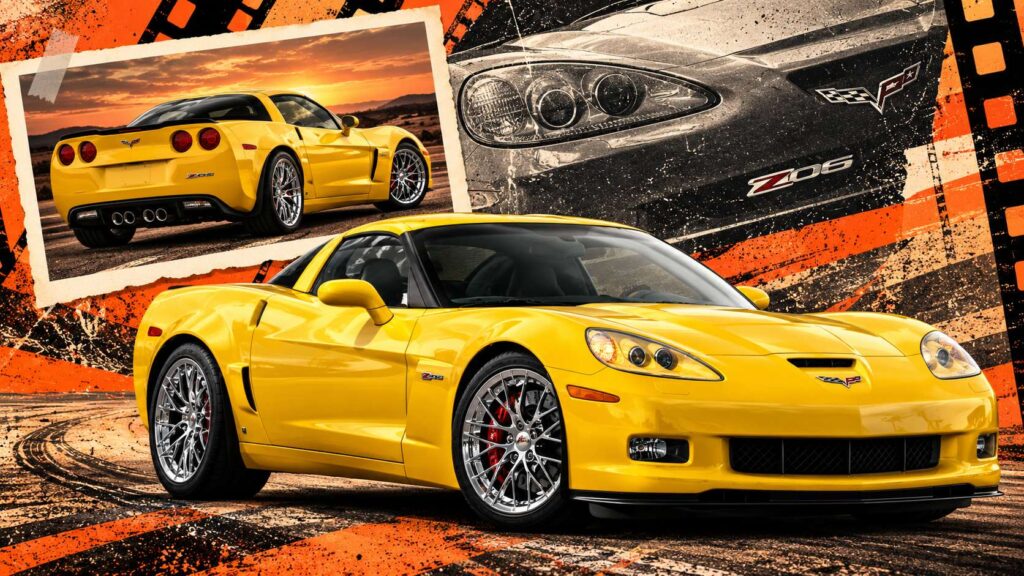
American manufacturers have produced plenty of powerful cars, but relatively few combine the ingredients found in the sixth-generation Corvette Z06. A naturally aspirated 7.0-liter V8, 505 horsepower, a six-speed manual gearbox and a lightweight aluminum chassis made it one of the defining American performance cars of its era.
The LS7 engine is central to its reputation. Its enormous displacement and immediate throttle response provide an experience that smaller turbocharged engines cannot reproduce. The Z06 was also remarkably capable on a racetrack, giving owners performance normally associated with much more expensive machinery.
Hagerty selected the C6 Z06 for its 2026 Bull Market List, assigning an excellent example a reference value of $55,900. At that level, the car offered an unusual combination of performance, driving involvement and collector potential.
Buying one requires more than checking the mileage. LS7 cylinder-head and valve-guide concerns are well documented, and a specialist inspection should establish what work has been performed. Track use can also place substantial stress on brakes, suspension and drivetrain components.
A documented, mechanically sound Z06 in factory specification is the version worth pursuing. Buyers should be particularly careful with cars advertised as extensively upgraded without receipts or evidence of professional installation.
4. BMW M5 E60 (2006 to 2010)
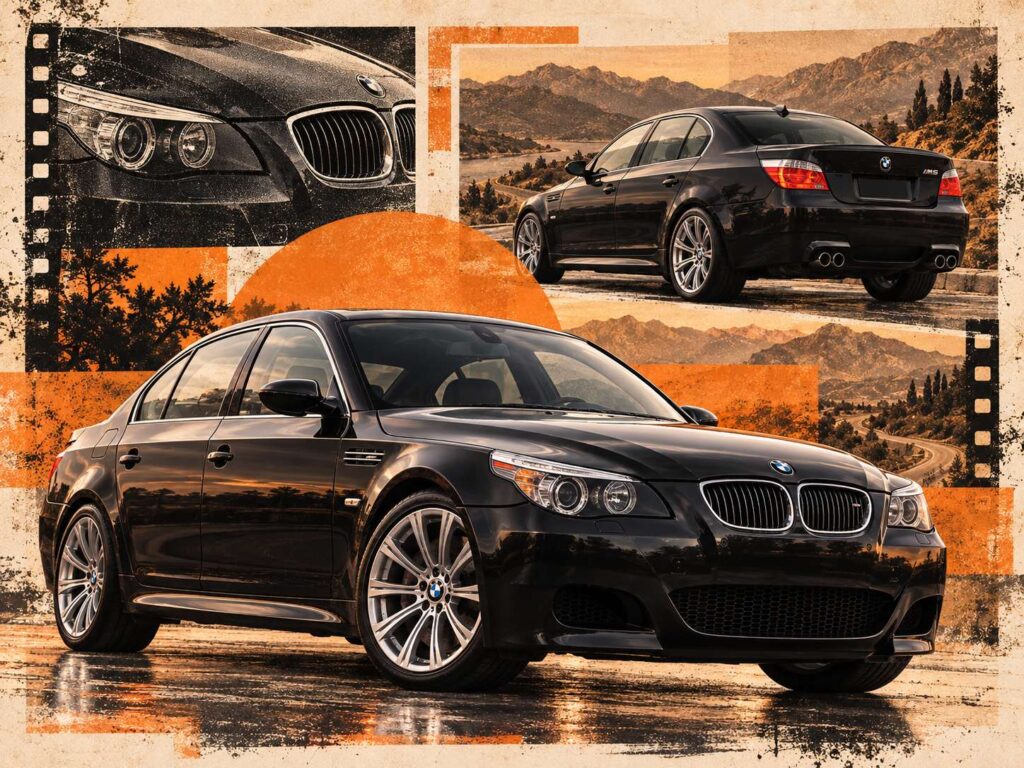
BMW put a V10 engine in a family sedan and sold it to the public. Even by the extravagant standards of the 2000s, that decision was extraordinary.
The E60 M5 used a 5.0-liter naturally aspirated V10 producing 500 horsepower in its full-power setting. It could rev beyond 8,000 rpm, delivering a sound and driving experience closer to a racing-inspired performance car than an executive sedan.
Its unusual styling initially divided opinion, and ownership costs discouraged many used-car buyers. Those characteristics helped keep prices from immediately following the trajectory of some earlier BMW M models.
Collector interest has become more noticeable. Hagerty’s 2026 research assigned an excellent E60 M5 a reference value of $36,000 and found that 58% of recorded interest came from enthusiasts under forty.
The attraction is easy to explain through the engineering. BMW no longer sells an M5 with a naturally aspirated V10, and the original engine was developed specifically for its high-performance applications.
However, the S85 engine can be extremely expensive to maintain. Rod-bearing wear, throttle actuators and problems with the automated manual transmission deserve specialist attention. Cars with a conventional six-speed manual gearbox, available in North America, have particular appeal to enthusiasts.
An E60 M5 should never be purchased simply because the asking price looks low. A properly maintained example with detailed repair records can be worth paying substantially more for than a neglected car whose next service bill could exceed the expected appreciation.
5. Mazda MX-5 Miata NB (1999 to 2005)
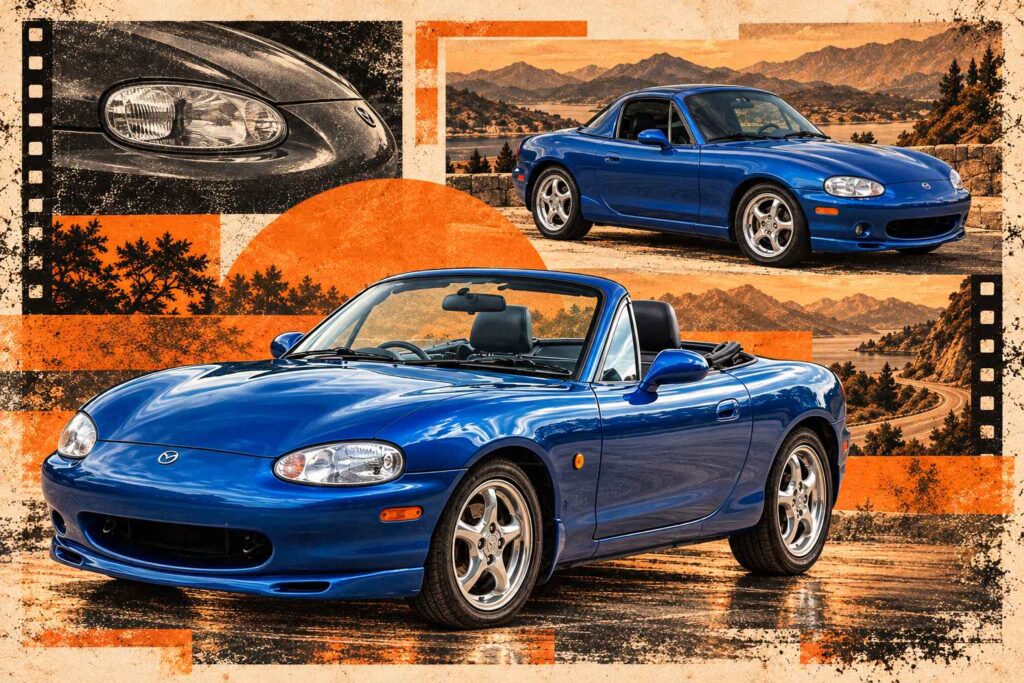
Not every future classic needs an enormous engine or an extravagant specification sheet. The second-generation Miata became popular because it made ordinary roads entertaining at sensible speeds.
Known as the NB, the car retained the lightweight, rear-wheel-drive formula of the original Miata but introduced revised styling, additional refinement and improved performance. Its compact dimensions and manual transmission helped preserve the direct driving experience that made the original successful.
For collectors, the interesting question is which version to buy. A well-maintained standard NB can provide years of enjoyment without the expense associated with rarer performance cars. Special editions, desirable factory colors and original equipment may attract additional attention.
Hagerty included the 1999 to 2005 Miata in its 2026 Bull Market List, assigning an excellent example a reference value of $16,600. The company highlighted continued demand across multiple age groups, a useful sign for a model whose appeal is not limited to one generation.
Rust is the major concern. Buyers should inspect the front chassis rails, sills and rear wheel arches rather than relying on shiny paint and a clean interior. Roof condition, water drainage and previous accident repairs are also important.
There is little advantage in buying a cheap NB that needs extensive structural rust repairs. A clean, ordinary manual car with healthy bodywork is a more convincing long-term purchase.
6. Volkswagen Golf GTI VR6 Mk3 (1995 to 1998)
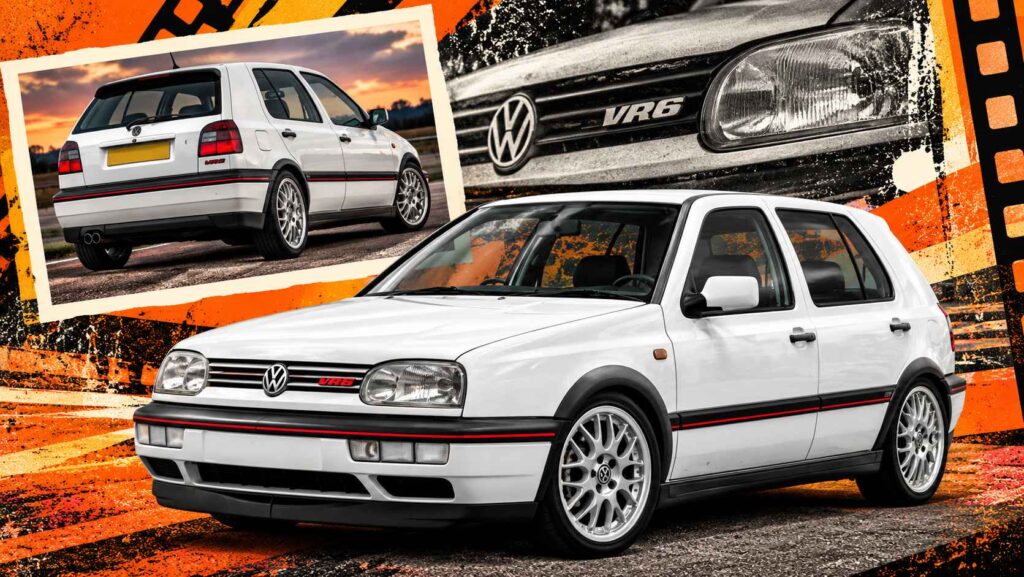
Volkswagen took a compact hatchback and fitted it with a six-cylinder engine. The result was never the lightest or sharpest Golf GTI, but it had something that smaller four-cylinder rivals could not offer.
The 2.8-liter VR6 produced a distinctive engine note, with a smooth delivery that made the car feel more substantial than an ordinary hot hatchback. Combined with the restrained appearance of the third-generation Golf, it created a performance car that could remain discreet until the driver accelerated.
For years, the Mk3 struggled to escape comparisons with the original GTI and the celebrated second generation. Enthusiasts criticized its additional weight, and many used examples were modified or driven hard.
Collector attitudes are changing. Hagerty placed the 1995 to 1998 Golf GTI VR6 on its 2026 list, with an excellent example valued at $20,000. Its research also found that enthusiasts aged fifty and younger represented 78% of interested buyers.
Rust, cooling-system condition, timing-chain components and evidence of poor modifications should be investigated before purchase. Original interiors and factory trim are especially attractive because replacements for age-specific components can be difficult to source.
A well-preserved VR6 has the kind of understated personality that modern performance hatchbacks have largely abandoned. Buyers interested in a discreet 1990s performance car should give it serious consideration.
7. Dodge Magnum SRT-8 (2006 to 2008)
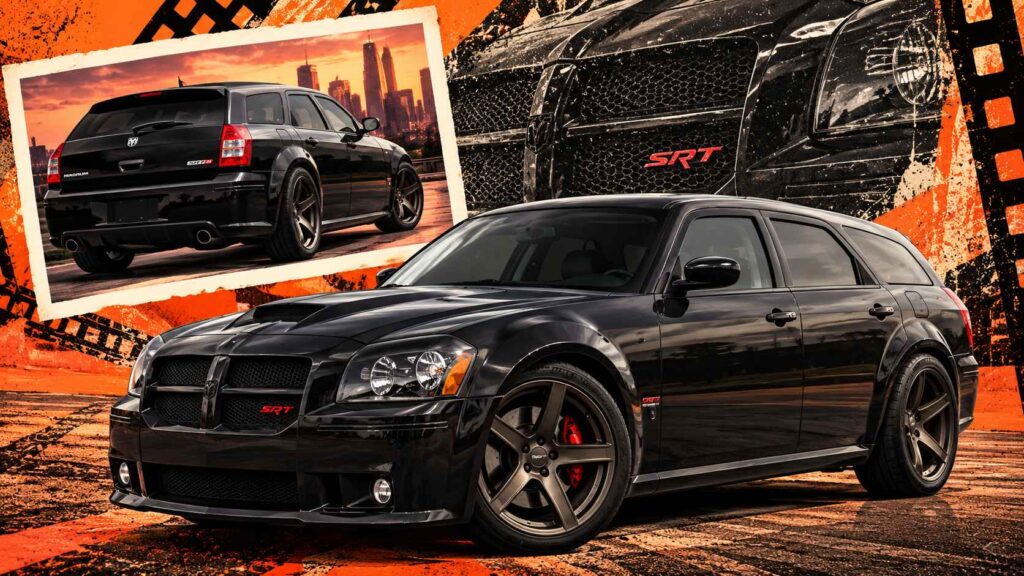
Some cars become collectibles because manufacturers stop building anything remotely similar. The Dodge Magnum SRT-8 is a convincing example.
Underneath its long wagon body sat a 6.1-liter HEMI V8 producing 425 horsepower. Rear-wheel drive, aggressive styling and genuine cargo space turned an ordinary family-car format into something unusual.
American performance wagons have never been especially common. The Magnum SRT-8 had a particularly short production life, disappearing when Dodge ended Magnum production after the 2008 model year.
The car developed a following among enthusiasts who wanted muscle-car performance without giving up the usefulness of a wagon. Hagerty included it in the 2025 Bull Market List, reporting a 39% increase in value over the preceding five years and an excellent-condition reference value of $32,600 at that time.
Buyers should investigate transmission operation, suspension wear, cooling-system condition and the history of any engine modifications. The SRT-8 was built for performance, so evidence of repeated hard use deserves attention.
Finding a completely original example can be a challenge. Cars retaining factory wheels, original interior materials and the correct SRT equipment have a clearer collector identity than modified examples assembled from several vehicles.
8. Datsun 280ZX Turbo (1981 to 1983)
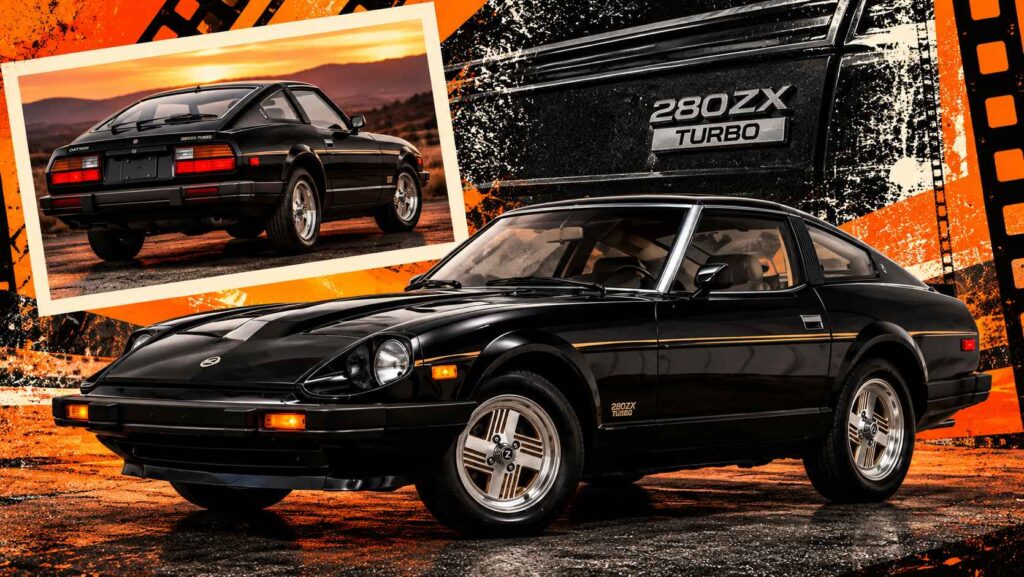
The Datsun 280ZX spent decades living in the shadow of the earlier 240Z. Enthusiasts praised the original Z for its simple sports-car character, then criticized the later ZX for gaining weight, luxury equipment and a softer personality.
Looking back, the 280ZX deserves more credit. Its long hood, distinctive proportions and period interior place it firmly in the late 1970s and early 1980s. The turbocharged version, introduced for the 1981 model year, also offered considerably more performance than the standard naturally aspirated model.
Instead of trying to imitate a lightweight European sports car, the ZX developed into a grand tourer. That character has become part of its attraction as collectors reconsider cars that were once dismissed for moving away from their predecessors.
Market data supports renewed interest, although much of the early appreciation has already happened. Hagerty reported in its 2025 Bull Market research that 280ZX values had increased by 138% since 2019. Its excellent-condition reference value was $32,800, indicating that desirable examples were no longer the inexpensive used cars they once were.
Rust is a serious concern, particularly around the floor, frame rails and lower body panels. Turbocharger condition, fuel-system problems and aging electrical components can also turn a promising purchase into an expensive restoration.
A complete, rust-free 280ZX Turbo with original trim and a documented history is worth investigating. Buyers should avoid paying collector prices for a car that needs structural repairs simply because the model has attracted renewed attention.
The Bottom Line
The cheapest car on the list is not necessarily the most affordable to own. A Mini Cooper S may cost far less to purchase than a Corvette Z06, but an example requiring several major repairs could quickly become expensive. The same problem is particularly apparent with the V10-powered BMW M5.
Collectors who bought an original muscle car or Japanese sports coupe decades ago rarely knew exactly how desirable it would become. The same uncertainty exists today.
The best approach is to buy a car that is enjoyable and affordable to maintain, with future appreciation treated as a possibility rather than the sole reason for ownership.
The importance of condition and originality extends beyond classic cars, as collectors of valuable music memorabilia also pay attention to authenticity, preservation and rarity.