
Stay with us and find out where the next one takes us.
- Can You Make Money Reselling Vinyl Records? What Sells and What to Avoid - November 13, 2026
- 12 Vinyl Albums From the 1990s That Could Be Worth Serious Money in the Future - November 13, 2026
- Black Friday 2026 Deals for Music Fans – Vinyl, Turntables and Headphones Worth Buying - November 12, 2026
Somebody who bought Tool’s Ænima on vinyl in 1996 could now be holding a record listed for more than €2,000. A modern copy of Nirvana’s Nevermind can cost less than €30, yet certain original pressings attract asking prices many times higher. There is an important catch. The valuable copies are specific editions, not every LP with the same album cover.
The 1990s left collectors with an unusual situation. Rock and hip-hop produced albums that people still love, but CDs dominated music sales for much of the decade. Some original vinyl editions are now much harder to find than their commercial success would suggest.
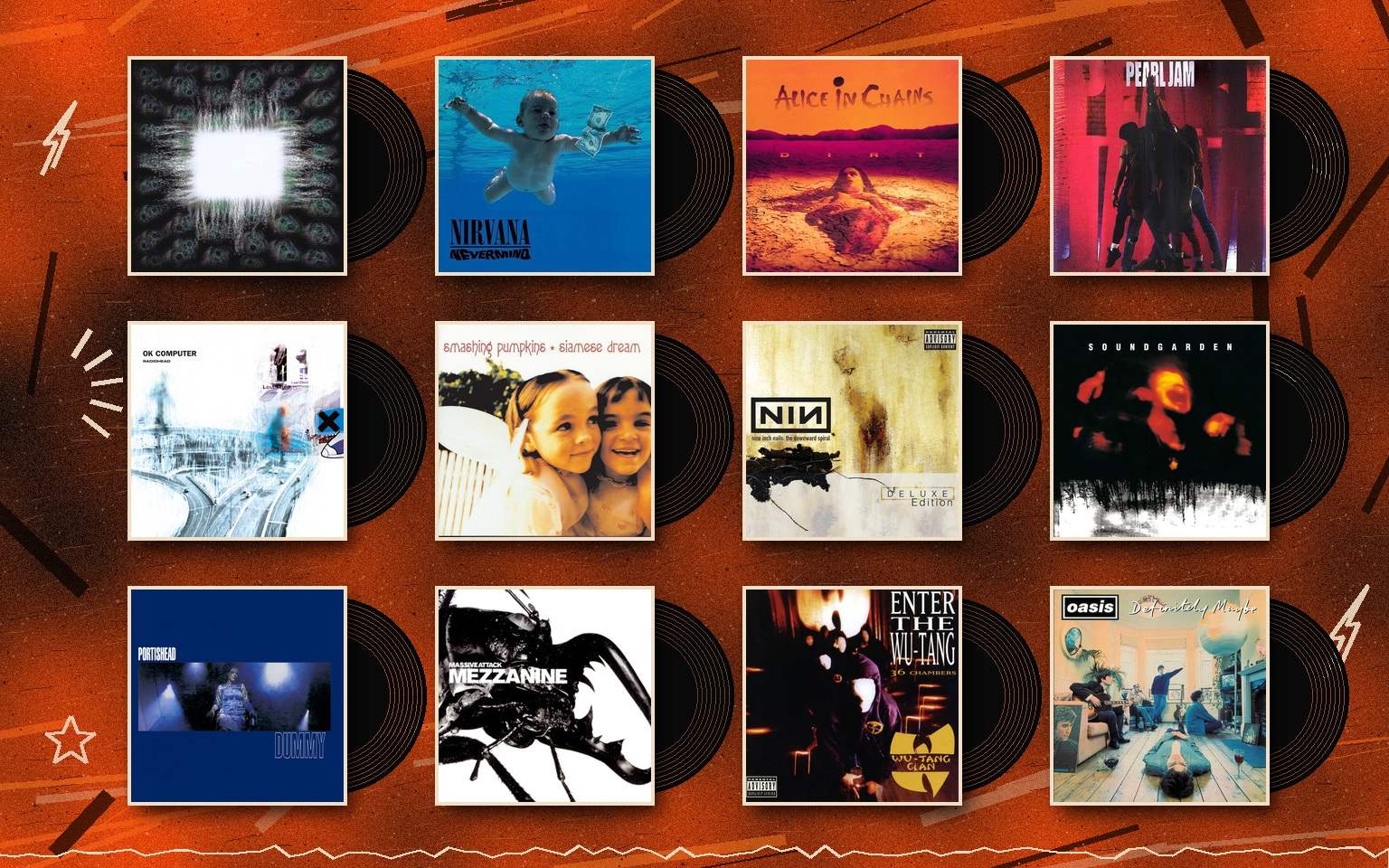
Here are 12 albums worth checking in an old record collection or watching at secondhand shops. Some already command hundreds or thousands. Others offer a more accessible starting point for collectors who want original 1990s records without spending four figures. Future prices remain uncertain, so the exact pressing, its condition and the price paid today are central to every choice.
1. Tool, Ænima (1996)
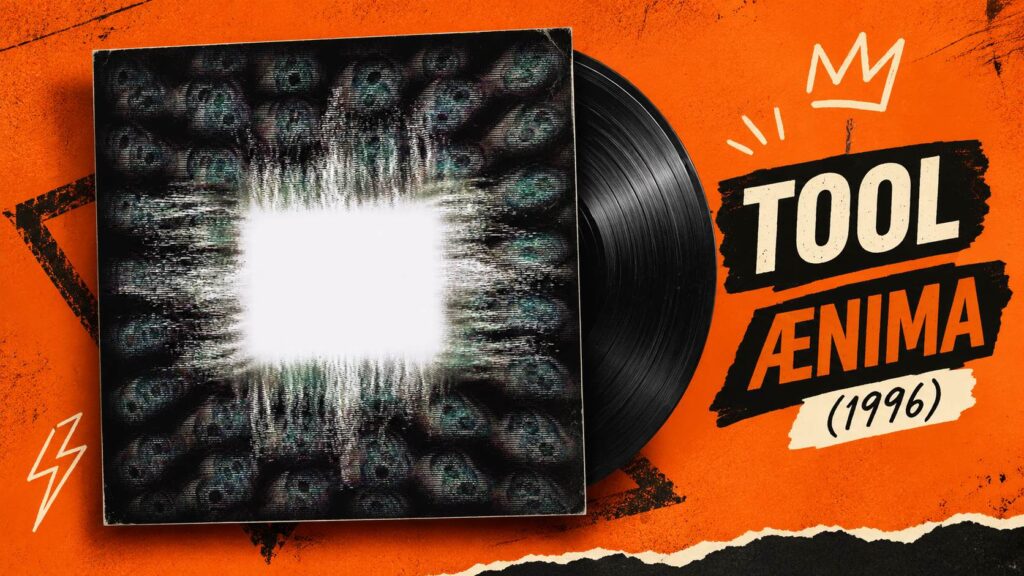
Few 1990s albums illustrate the strange world of collectible vinyl better than Ænima. Tool released its second studio album in 1996, combining progressive metal, unsettling artwork and songs that rewarded repeated listening. Decades later, its original vinyl editions have become particularly expensive.
The 1996 U.S. double LP on Zoo Entertainment, catalog number 72445-11087-1, is the version collectors should investigate. Vinyl market tracker WaxTracker currently places the median VG+ asking price for this pressing at €2,242.50, with nine copies listed and more than 9,000 collectors marking it as wanted.
That is an asking-price estimate rather than evidence that every copy sells for €2,242.50. Condition, the exact edition and the seller can change the final amount considerably.
Tool also attracts counterfeit pressings, making authentication especially important. An LP carrying the original artwork and a 1996 date is not enough. The label, catalog number and runout markings must identify the correct release.
For somebody who already owns a genuine original, this is one record we would preserve carefully rather than play on worn equipment. For a new buyer, spending thousands requires far more caution than picking up a reasonably priced reissue.
2. Nirvana, Nevermind (1991)
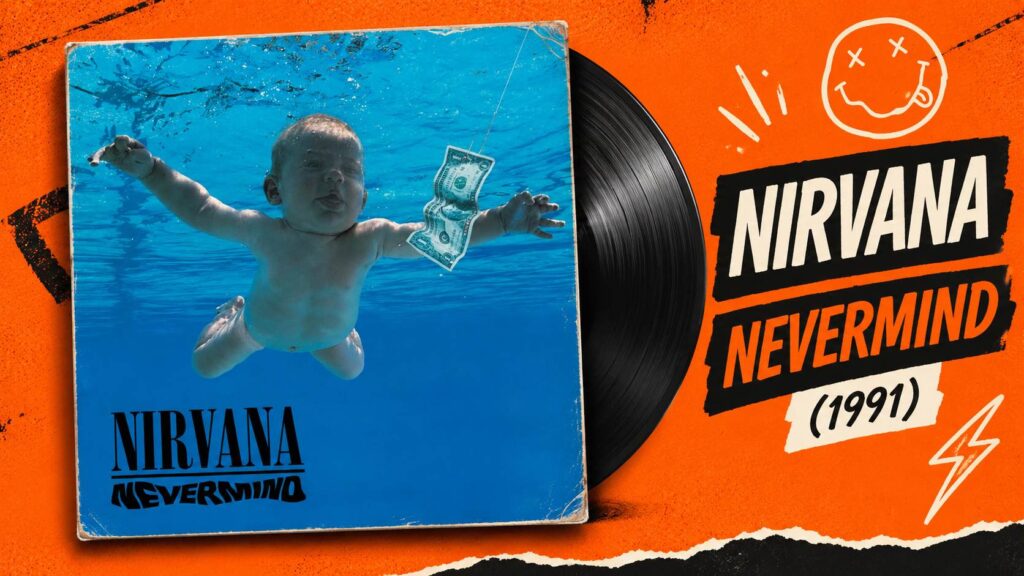
Millions of people know the cover of Nevermind, and that familiarity can make the vinyl confusing. The album has appeared in numerous editions, including modern reissues that are easy to find.
Original U.S. copies from 1991 are another story. The first DGC pressing, catalog number DGC-24425, has become a desirable piece of grunge history.
The Nirvana pressing reference identifies the original black-vinyl U.S. edition and separates it from club copies, international pressings and later releases. A genuine first pressing needs to be checked against the relevant identifiers rather than judged by its age alone.
Part of the appeal is owning a physical copy manufactured when Nirvana was changing the direction of mainstream rock. For collectors, that connection to 1991 is worth paying for.
Yet purchasing a modern pressing solely because Nevermind is famous is unlikely to reproduce the collector value of an original. Plenty of newer copies exist, and a record that remains widely available has little scarcity working in its favor.
Our selection of the albums that defined the 1990s includes Nirvana for its musical influence. The collecting question is narrower. Which edition did someone actually buy when the record first appeared?
3. Alice in Chains, Dirt (1992)
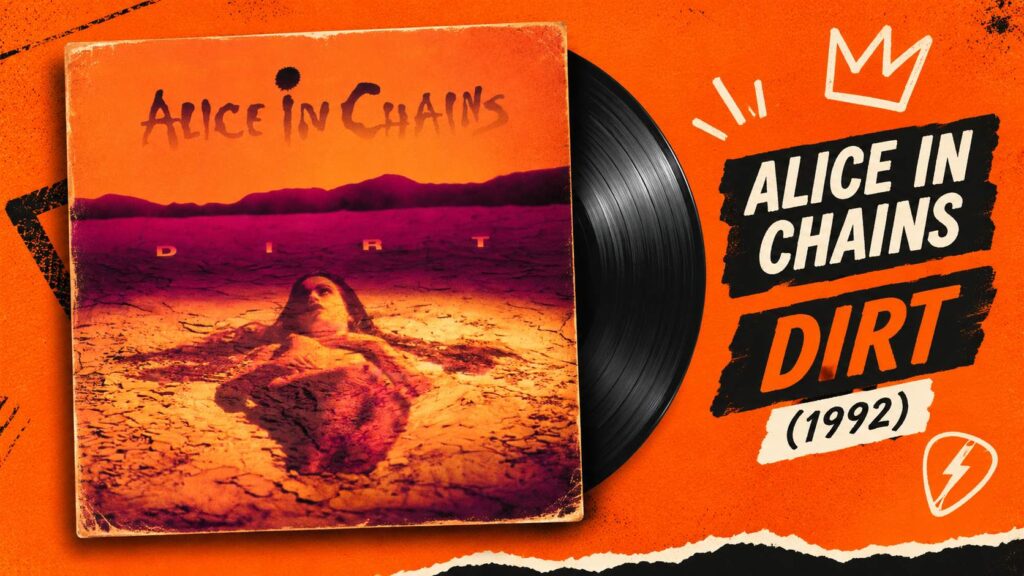
Dirt is one of the records we would inspect immediately if it appeared in an inherited collection of 1990s rock.
Its original European LP on Columbia, catalog number 472330 1, is attracting a median VG+ asking price near €440, according to a comparison of Dirt vinyl pressings. Modern 2022 editions are listed from €20 to €38 in the same comparison.
The album is the same, but the editions are not equally collectible.
Released in 1992, Dirt contains “Would?,” “Rooster” and “Them Bones.” The record became one of the defining albums associated with the heavier side of the Seattle music scene.
A collector buying an original is paying partly for its connection to that period. Someone who wants to listen to the songs can obtain a newer pressing for substantially less.
We would be interested in an original with a clean sleeve, readable labels and minimal groove wear. A badly worn copy offered at the price of an excellent one is an entirely different proposition.
4. Pearl Jam, Ten (1991)
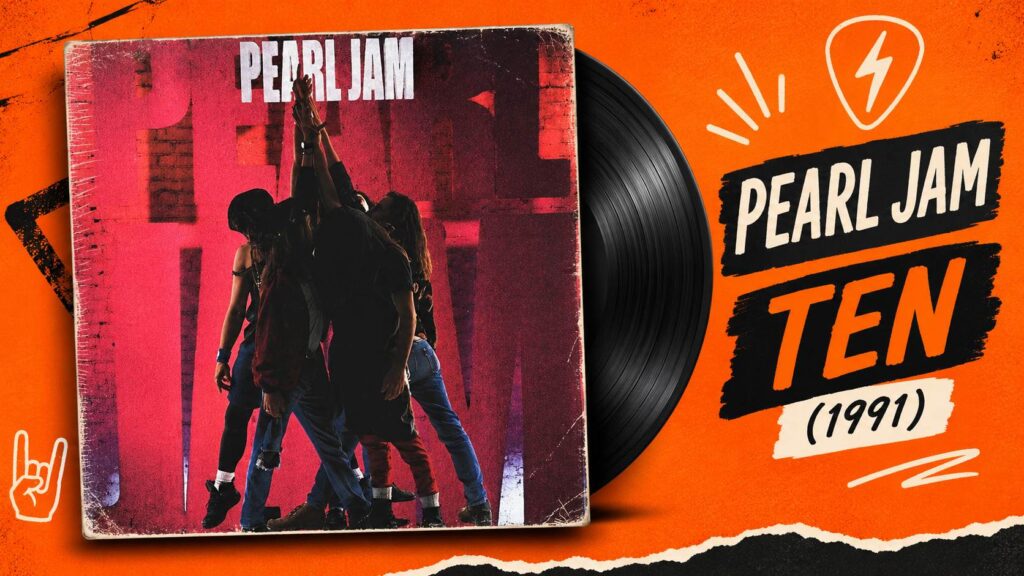
Pearl Jam released Ten in 1991, but original U.S. vinyl copies can be harder to identify than the album date suggests.
The pressing history of Ten includes a 1991 European Epic edition with catalog number 468884 1 and a 1994 U.S. pressing with catalog number Z 47857.
Those older editions carry considerably higher market asking prices than many 2009, 2017 and 2023 reissues. The 1991 European pressing is listed at €246 in the tracked comparison, compared with €20 to €29 for several later copies.
That creates an interesting opportunity for people who collected records before vinyl returned to mainstream popularity. An old copy of Ten might have spent years on the shelf without anyone realizing that its pressing details were valuable.
Do not assume a record was pressed in 1991 simply because the back cover gives that year. The copyright date can remain unchanged on later editions. Check the physical identifiers.
5. Radiohead, OK Computer (1997)
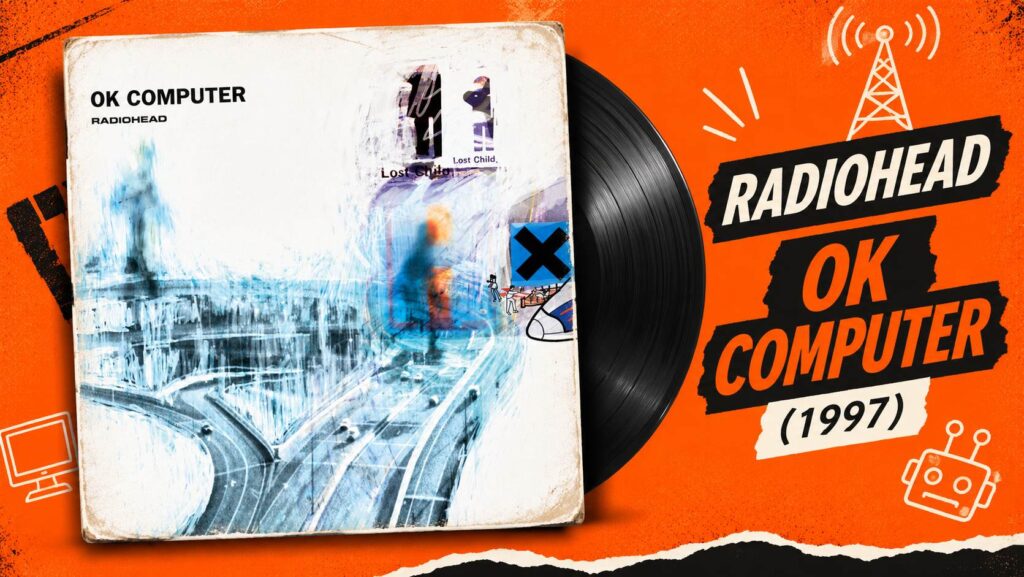
Some albums sound like a record of their time. OK Computer still attracts listeners because its anxieties about technology, work and modern life have aged in unexpected ways.
Original 1997 Parlophone vinyl is particularly appealing to collectors. The double LP carries catalog number 7243 8 55229 1 8, and market comparisons place original examples well above ordinary modern pressings.
In a comparison of OK Computer editions, the 1997 LP has a tracked asking-price estimate of €460.80. Several later XL Recordings editions appear closer to €30 to €40.
The album has also received anniversary editions, including OKNOTOK, which adds previously unreleased and archival material. Those releases give listeners more music, but they do not replace the appeal of owning a 1997 pressing.
Before paying a collector premium, compare the label and catalog information against a documented release. The cover alone offers little help because modern editions use similar artwork.
6. The Smashing Pumpkins, Siamese Dream (1993)
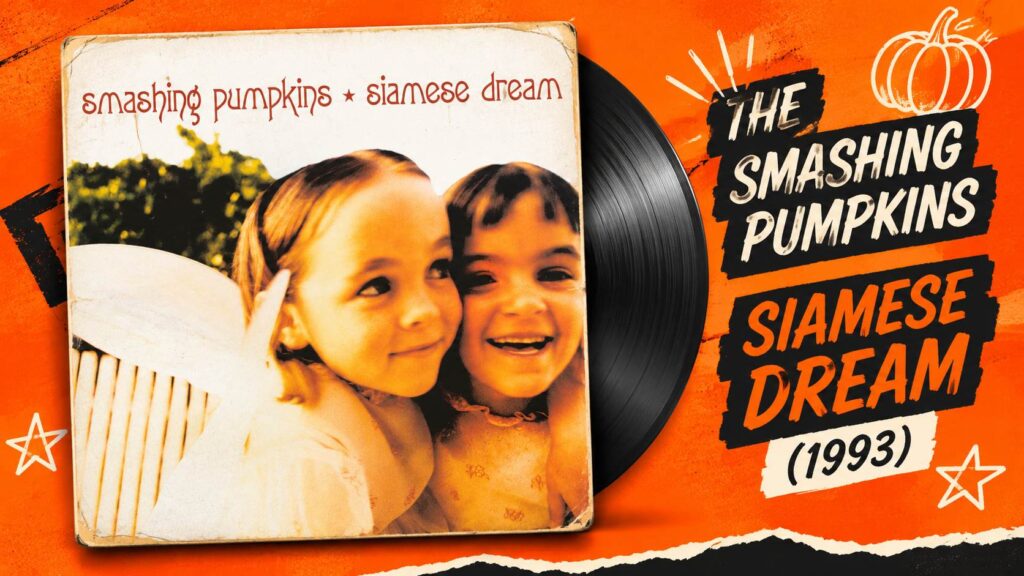
Collectors sometimes focus so heavily on Mellon Collie and the Infinite Sadness that Siamese Dream receives less attention. The 1993 album deserves its own place on the list.
Its original European vinyl appeared on Hut Recordings, including the HUTLP 11 edition. A tracked copy has a median VG+ asking price near €193, with collector demand exceeding the number of users recorded as owning it on that service.
“Cherub Rock,” “Today” and “Disarm” helped establish the enormous guitar sound associated with the group. Billy Corgan layered instruments into recordings that could sound delicate one moment and overwhelming the next.
Original vinyl has an appeal separate from the modern reissues. It belongs to the period when the band was becoming a major alternative rock act, and collectors continue searching for copies from that original release era.
For a new collector, we would compare several editions before buying. The pressing most worth owning for historical reasons may not be the least expensive way to hear the record.
7. Nine Inch Nails, The Downward Spiral (1994)
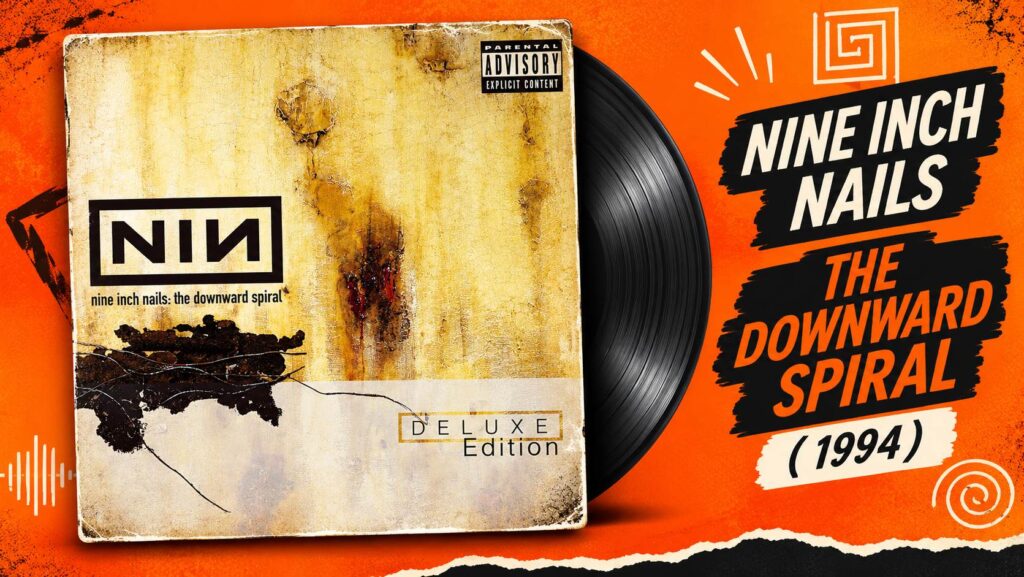
Trent Reznor took industrial rock into darker territory with The Downward Spiral, an album that moves from distorted guitars and electronic percussion to moments of unexpected quiet.
The 1994 editions are particularly interesting. The original UK double LP on Island Records carries catalog number ILPSD 8012, and a U.S. Nothing Records promotional pressing uses STPR 5509.
A comparison of The Downward Spiral pressings places the UK original near €224 and the U.S. promotional edition near €532 in median VG+ asking prices. More recent editions are generally listed for much less.
The promotional copy is a useful reminder that an unusual pressing can command a premium even when the music is widely available. A promo has to be identified through its actual label and record markings, not merely a sticker added by a previous owner.
Reznor has also approved later vinyl editions, which offer another way to hear the album. Collectors paying for an original should be certain that is what they are receiving.
8. Soundgarden, Superunknown (1994)
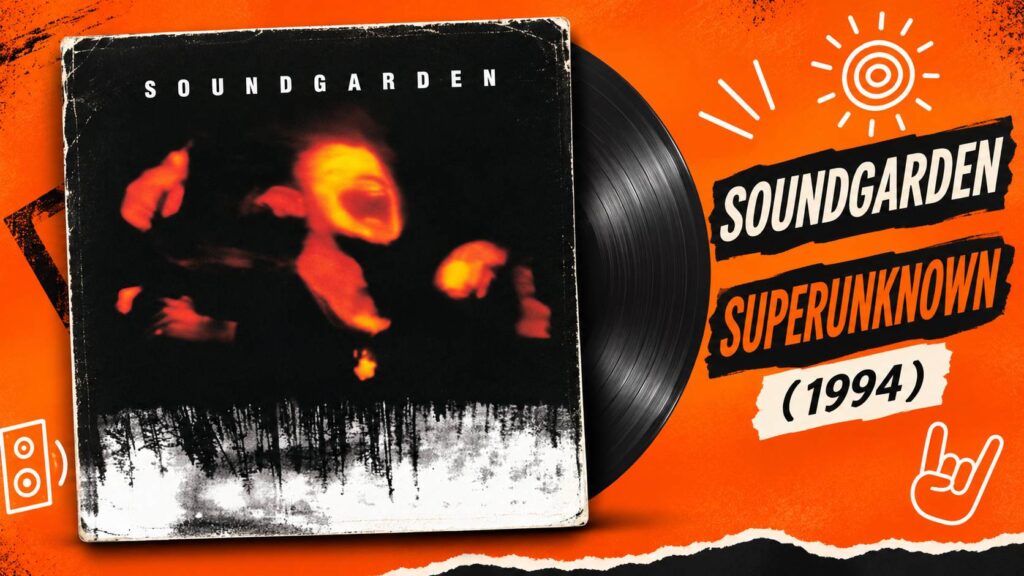
Soundgarden released Superunknown in 1994, and the album became one of the defining records of the Seattle rock era. “Black Hole Sun,” “Spoonman” and “Fell on Black Days” remain central to its reputation.
The original European A&M edition, catalog number 540 215-1, is attracting considerably more interest than the later reissues available today.
The 1994 Superunknown pressing comparison shows a median VG+ asking price near €160 for the European original. Some U.S. editions from the same year have higher estimates, while several newer pressings are available at much lower prices.
For collectors, the record has two appealing qualities. It belongs to a major period in rock history, and clean original LPs are less common than the familiar CD edition.
A future price increase is not certain, especially with newer pressings available. But an authentic 1994 copy in excellent condition is a record we would keep rather than replace casually.
9. Portishead, Dummy (1994)
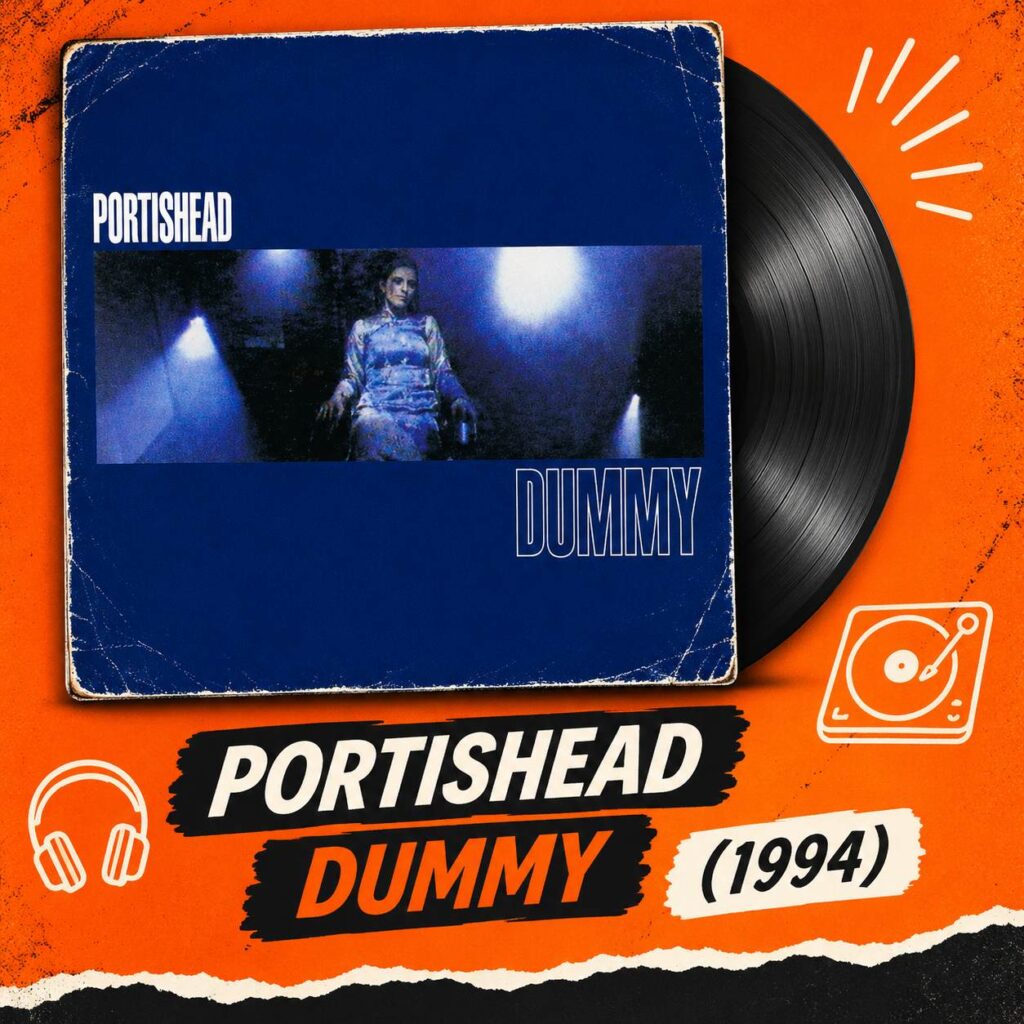
Portishead made Dummy sound unlike almost anything else on mainstream radio in 1994. The album mixed sampled drums, sparse arrangements and the unmistakable voice of Beth Gibbons.
The original European Go! Beat LP bears catalog number 828 522-1. One of the tracked original Dummy editions carries a median VG+ asking price near €164, compared with much lower figures for several 2014 and 2017 pressings.
The original edition is particularly interesting because the album crossed genre boundaries. Rock listeners, electronic music fans and trip-hop collectors all have reasons to own it.
Yet the popularity of the album does not mean every copy is rare. Modern pressings remain widely available, and some use the same catalog number as older editions. Close attention to the release year, label printing and runout information is essential.
We would pay a premium only for a well-documented original in excellent condition. The music itself is easy to enjoy without spending collector money.
10. Massive Attack, Mezzanine (1998)
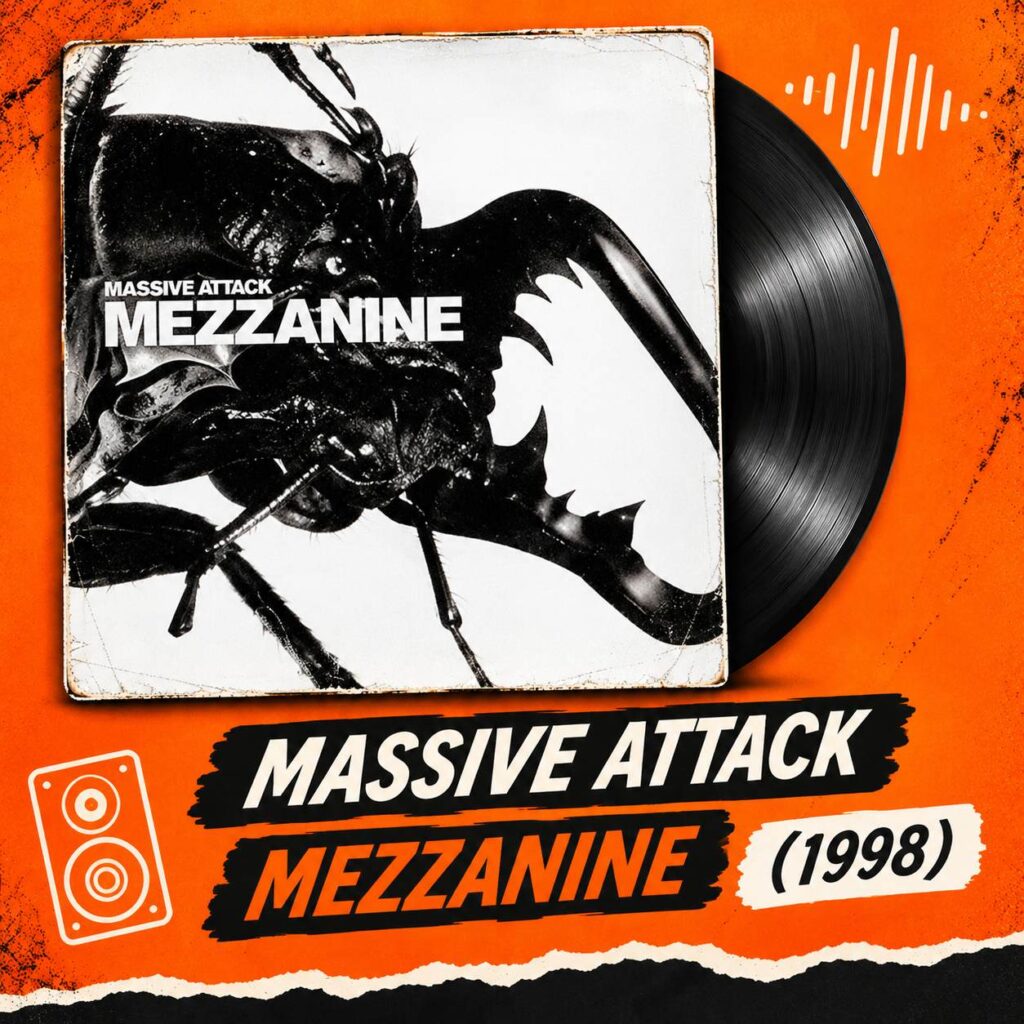
The opening bass and percussion of “Angel” remain an excellent introduction to Mezzanine. The album also contains “Teardrop,” one of the best-known recordings associated with Massive Attack.
Collectors searching for the original 1998 vinyl should investigate the Circa double LP with catalog number WBRLP4.
The original Mezzanine pressing currently has a median VG+ asking-price estimate near €239. Later editions from 2013 and 2023 are listed closer to €30.
The gap is substantial, particularly for an album that remains readily available in newer physical formats.
What interests us is the staying power of the music. Mezzanine attracts listeners from rock, electronic and alternative backgrounds, and demand for an original pressing is not limited to one small audience.
As with every record on this list, a fresh reissue could change the market for ordinary copies. The 1998 edition retains its historical identity, but collectors should not assume asking prices will keep rising.
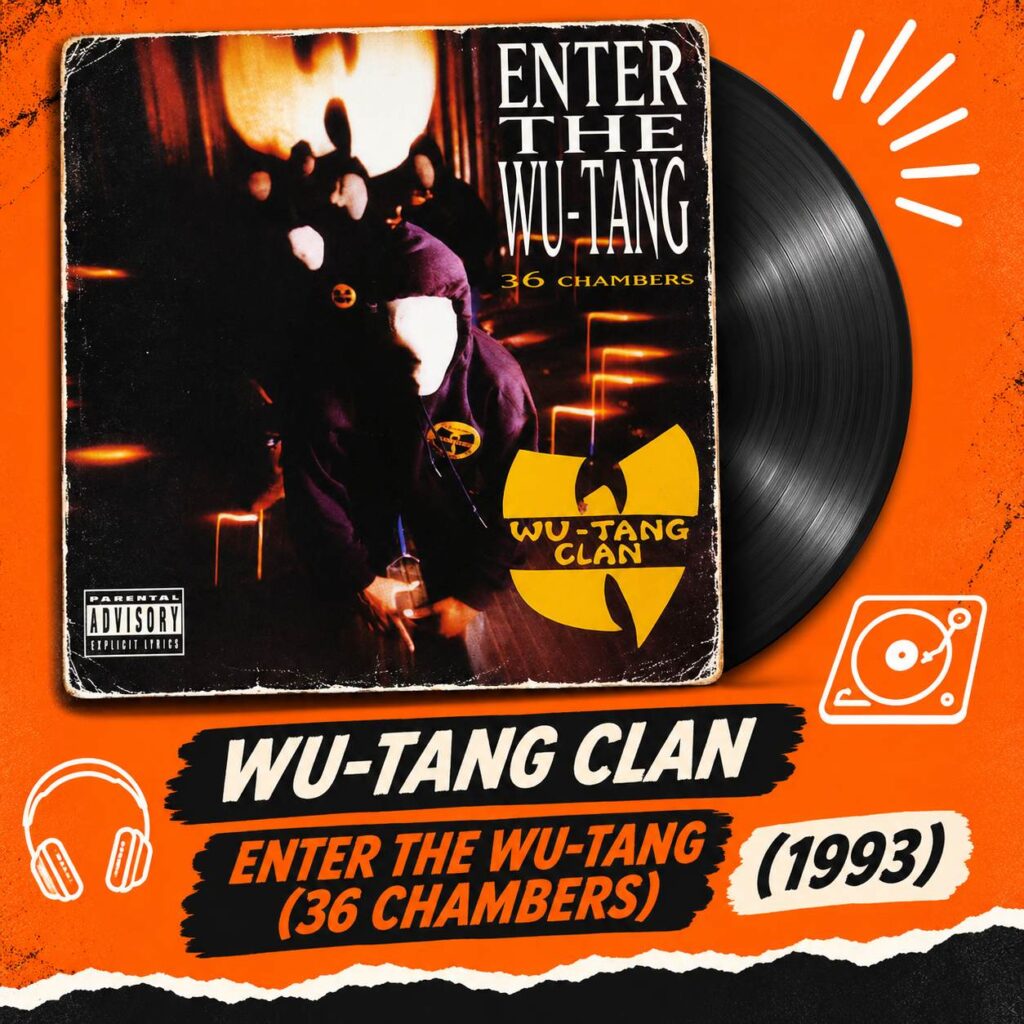
11. Wu-Tang Clan, Enter the Wu-Tang (36 Chambers) (1993)
Hip-hop deserves a prominent place in any discussion of valuable 1990s records. The decade produced albums that changed the genre, and original vinyl editions are now part of that history.
Enter the Wu-Tang (36 Chambers) arrived in 1993 and introduced listeners to the raw production of RZA and the individual personalities of the Wu-Tang Clan.
The original U.S. LP appeared through Loud and RCA with catalog number 07863 66336-1. According to the tracked 1993 pressing details, median VG+ asking prices are near €140, although individual listings vary considerably.
The condition of hip-hop vinyl deserves extra scrutiny. Copies used for DJ performances may have experienced repeated cueing, scratching or heavy handling. A clean-looking sleeve does not prove the grooves are equally clean.
Original copies remain appealing because of the importance of the album and its early place in the Wu-Tang story. For someone interested mainly in listening, a newer edition can deliver the music at a lower price.
12. Oasis, Definitely Maybe (1994)
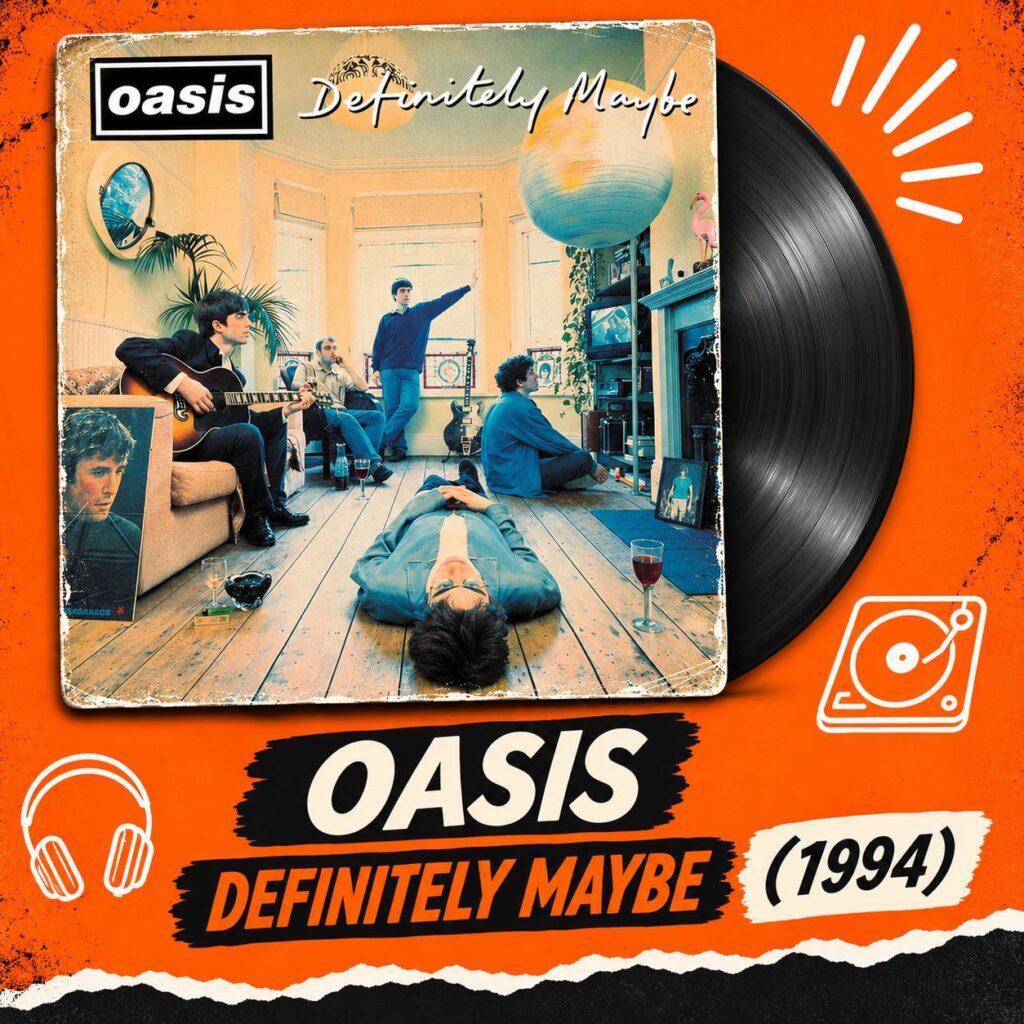
The debut Oasis album arrived in 1994 with “Supersonic,” “Live Forever” and “Cigarettes & Alcohol.” It became one of the defining British rock records of the decade.
Original UK vinyl copies on Creation Records carry catalog number CRE LP 169. However, different versions exist, and their values can vary dramatically.
A comparison of Definitely Maybe pressings includes a 1994 UK edition with a median VG+ asking-price estimate near €491. Other releases, including modern Big Brother editions, are listed for a fraction of that amount.
Demand for Oasis music has also been renewed by interest in the band and its live performances. Still, renewed popularity does not guarantee permanent collector-price increases.
We would focus on verifying the original UK pressing rather than paying extra for a newer colored-vinyl edition simply because its packaging suggests limited availability.
How to Tell If Your Vinyl Is Actually Valuable?
A collection containing the twelve albums above is not automatically worth thousands. An original edition can be valuable, but later pressings, worn records and unofficial releases may sell for far less.
The first thing to identify is the exact pressing. Look at the catalog number on the sleeve and label, then inspect the letters and numbers etched or stamped into the smooth area near the center label. Collectors call this area the dead wax or runout.
The runout details can identify a particular cutting, pressing plant or release variation. They are especially useful when multiple editions share the same cover artwork and catalog number.
Condition comes next. A clean record with minimal surface marks and an undamaged sleeve will generally attract more interest than a scratched copy with torn packaging. The Goldmine grading standard explains the established record and sleeve grades used by many collectors and dealers.
Finally, compare completed sales rather than relying entirely on advertised prices. A seller can ask €2,000 for a record that has not sold at that price. Discogs provides recent sales history for individual releases, allowing collectors to compare actual transactions for the pressing they own.
The distinction between a collectible first pressing and a listening copy is also separate from sound quality. A later record may offer a more enjoyable listening experience, particularly if it comes from a different master or the original has suffered groove wear. The technical issues are explained in our comparison of vinyl, CD and lossless streaming.
The Bottom Line
Tool’s Ænima has already reached prices that put it outside the budget of many collectors. A genuine copy can be a remarkable find, but a buyer spending more than €2,000 is also taking a substantial financial risk. The record would have to attract an even higher future price to provide a return after selling fees and other expenses.
Albums such as Dirt, Siamese Dream, Dummy and Mezzanine offer another possibility. Their original editions are collectible, but they generally occupy lower price levels than the most expensive Tool pressings. A buyer still needs to avoid overpaying.
Original hip-hop releases also deserve attention, particularly records that remain influential across generations. The condition of a genuine 1993 copy of Enter the Wu-Tang can be more important to its value than the simple fact that the album is old.
We would not buy any of these albums solely on the assumption that a future anniversary, artist reunion or sudden wave of interest will raise prices. Collecting records is far more enjoyable when the music is worth owning even if the market never rewards the purchase.
A clean original pressing of an album you love has something a new reissue cannot reproduce. It was manufactured when the music first reached listeners. If the record later becomes more valuable, that is an additional benefit. If it does not, you still own a small piece of the decade that changed rock and hip-hop.
Price note: Values mentioned in this article are market asking-price estimates for identified editions, primarily in VG+ condition, checked against publicly available collector data in October 2026. They are not guaranteed completed-sale prices or future valuations. Exact pressing details, condition, location and buyer demand can substantially affect the final sale price.