
Stay with us and find out where the next one takes us.
- 7 Famous Chefs Who Started Their Careers Washing Dishes - October 23, 2026
- What Is the Best Month to Visit Hawaii? Weather, Beaches and the Best Things to Do - October 22, 2026
- Alice Cooper and Sheryl Goddard, The Tour Romance That Became a Marriage of Nearly 50 Years - October 22, 2026
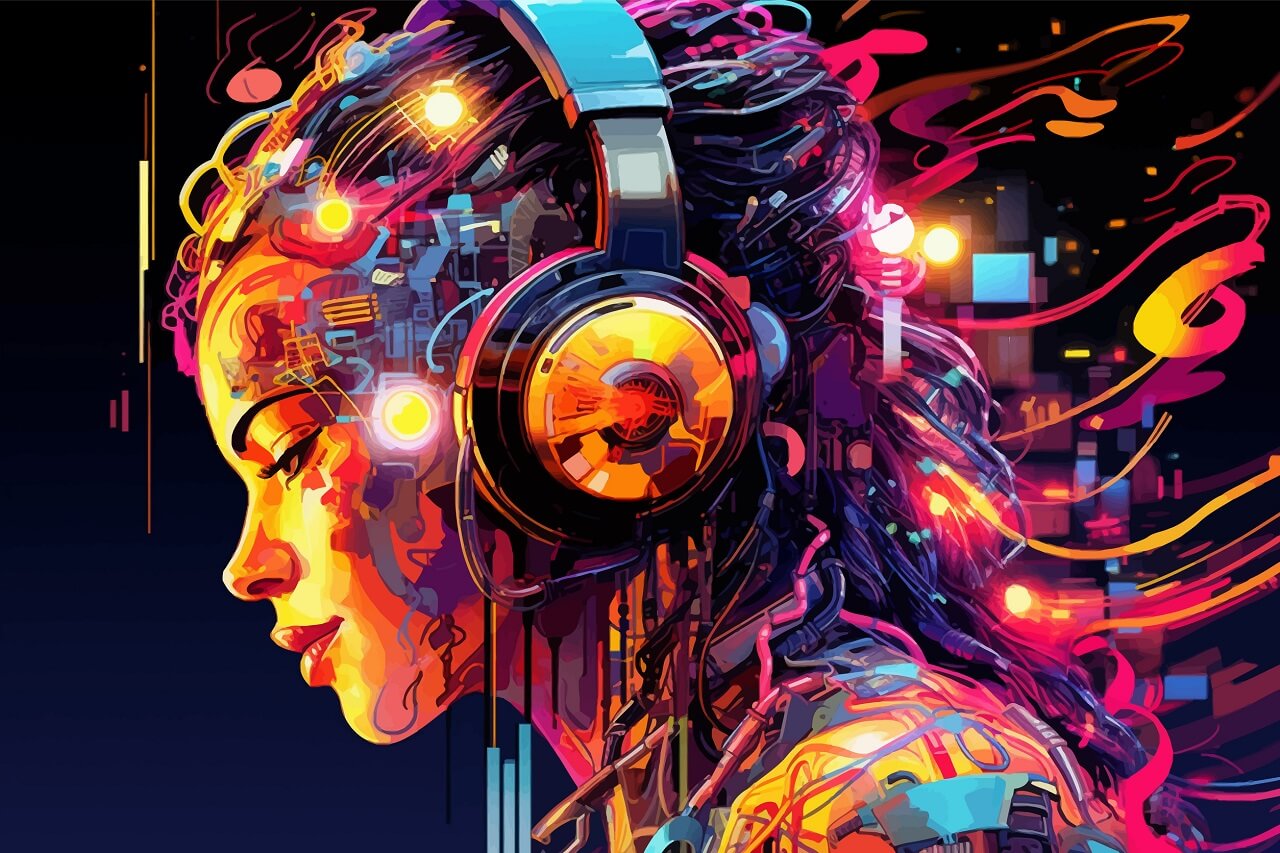
A prompt can produce a polished illustration in seconds, a song can arrive with a convincing synthetic voice, and a language model can sketch ten story ideas before a writer has finished making coffee. AI has become remarkably good at producing things that look creative.
Human artists still occupy a different role. Art carries intention, biography, judgment, cultural context, and responsibility.
AI can automate parts of the process and may reduce demand for routine commercial work, yet generation alone does not erase the value of the person deciding what deserves to exist and why anyone should care.
The harder question is no longer whether machines can make attractive outputs. They clearly can. The question is what society means when it calls someone an artist.
AI Can Already Perform Many Creative Tasks
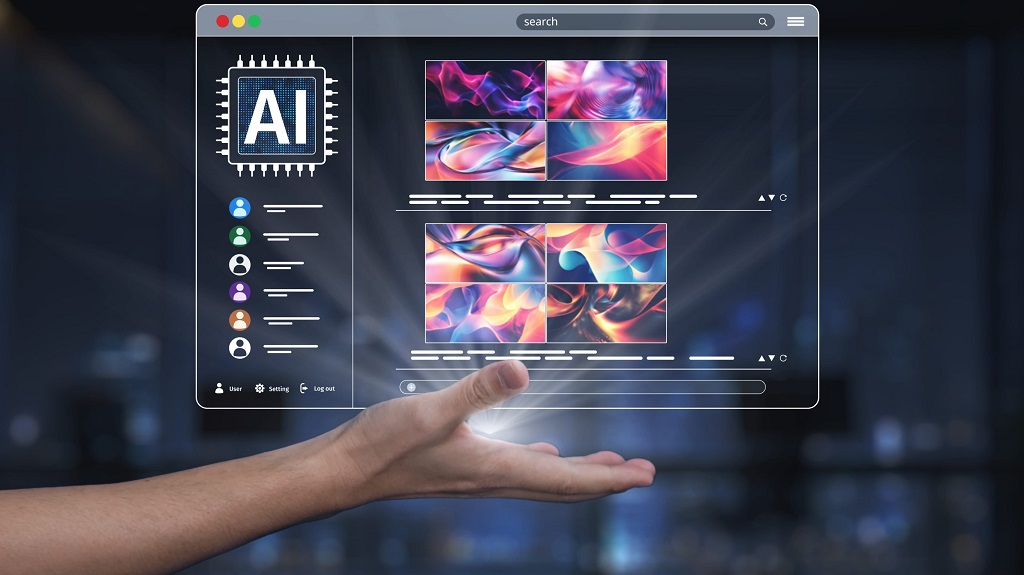
Generative AI deserves more credit than the claim “it just copies” allows. Modern systems can recombine patterns, propose unusual associations, imitate visual conventions, vary musical phrases, draft dialogue, and help people escape a blank page.
A 2024 Nature Human Behaviour study found that people using ChatGPT produced ideas rated as more creative than people working without the tool or using conventional web search.
A follow-up analysis found a trade-off: individual ideas improved on average, while the pool of ideas became less diverse, according to the published creativity study.
A larger study published in Nature Human Behaviour in 2026 compared 9,198 humans with more than 215,000 large-language-model observations on a divergent-creativity task.
Humans scored slightly higher on average, and the biggest difference appeared at the creative extreme, where people showed greater variability and stronger top-end performance. The large-scale comparison suggests AI can be a formidable idea machine while exceptional human creativity remains difficult to reproduce consistently.
Repeated use may also pull many people toward similar regions of the idea space. A tool can help an individual produce a stronger idea while simultaneously making a wider group of users sound or think a little more alike.
Art Has Been Sharing the Studio With Machines for Decades
Arguments over machine creativity arrived long before image generators appeared in browser tabs.
British-born painter Harold Cohen began developing AARON at Stanford University’s Artificial Intelligence Laboratory in 1973. The program used rules and random variables to produce drawings, and Cohen spent decades refining it. The Victoria and Albert Museum describes AARON as widely considered the first AI artmaking program in its history of artificial intelligence.
Cohen treated the machine as a way to investigate artistic decision-making. Early AARON drawings were even hand-coloured by Cohen. His work raised questions about agency, intention, and collaboration that sound remarkably current half a century later.
Cameras changed painting. Synthesizers changed music. Digital editing changed photography and film. New tools shifted craft, taste, economics, and expectations, while human authorship kept evolving around them.
Where the Human Artist Still Has an Edge
The biggest human advantage appears before the first brushstroke, note, frame, or sentence. A person can decide that a private memory deserves a public form.
A musician can turn grief into a melody. A filmmaker can risk reputation on an unpopular idea. A painter can spend years returning to one image because it refuses to leave them alone.
Inspiration still has to become craft: Embervane’s step-by-step songwriting guide, for example, shows how a musical idea develops through a series of intentional choices rather than appearing as a finished song.
Generative systems can reproduce surface signs associated with grief, rebellion, tenderness, or nostalgia. Their output does not arrive with a personal history behind it. Meaning enters through the people who prompt, select, reject, edit, perform, publish, interpret, and respond.
Experiments published in Computers in Human Behavior found that people rated the same artwork as less creative and less awe-inspiring when told it was AI-made. The research on AI art indicates that information about authorship can influence how viewers experience a work.
The findings reveal bias as well as preference. They also show that viewers care about where an artwork came from. The story of creation can become part of the artwork’s value.
The Market Is Already Making Room for AI Art
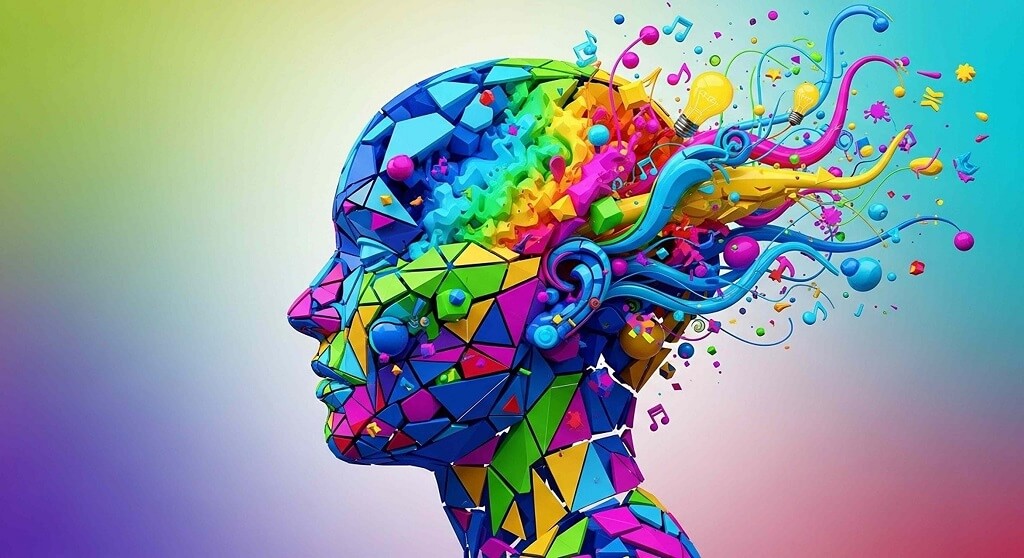
In 2025, Christie’s held Augmented Intelligence, its first auction devoted entirely to AI-related art at a major auction house. The sale brought in $728,784, including buyer’s premium, across works connected with artists such as Refik Anadol, Holly Herndon, Mat Dryhurst, Claire Silver, and computer-art pioneer Harold Cohen. Christie’s published the results through its Augmented Intelligence auction page.
The result matters because AI art has moved beyond novelty demos. Collectors, galleries, musicians, filmmakers, and designers are already testing new forms of authorship.
A particularly humane example came from country singer Randy Travis. After a 2013 stroke left him with aphasia and severely limited speech, Travis worked with producer Kyle Lehning and Warner Music Nashville on “Where That Came From,” released in 2024.
AI helped recreate Travis’s singing voice, while Travis and his team directed the musical work and editing. Warner described months of detailed human involvement in the Randy Travis recording.
AI served the artist’s intention there. The emotional significance came from Travis, his history, his collaborators, and listeners who knew what hearing that voice meant.
Copyright Law Still Draws a Line Around Human Creativity
In January 2025, the U.S. Copyright Office concluded that generative-AI output can receive copyright protection when a human author determines sufficient expressive elements. Human selection, arrangement, or creative modification may qualify. Mere prompting, by itself, does not provide the same basis for protection under current U.S. guidance.
The agency explained its position in its AI copyright guidance, reinforcing a practical distinction between producing an output and exercising authorship over expressive choices.
Legal frameworks vary by country and will keep changing. The American position still captures a central idea in the art debate: tools can participate deeply in creation, while responsibility and authorship remain tied to people.
Creative Tasks Will Change Faster Than the Artist’s Role
Advertising layouts, background illustrations, stock-style images, rough storyboards, generic music beds, and first-draft copy are vulnerable to automation because buyers often care about speed, price, and adequacy. Creative careers will feel real economic pressure as a result.
The human artist survives through a different kind of scarcity. A recognizable point of view is scarce. Trust is scarce. A career built over years, a live performance, a community, a body of work, and a personal history cannot be generated on demand in the same way as a competent image.
Artists who use AI may become common. Artists who refuse it may become more distinctive in some markets. New genres will appear, and arguments over legitimacy will probably continue, much as they did around photography, sampling, electronic music, and digital art.
AI can mimic many visible features of creativity. Human artistry remains anchored in agency: choosing the problem, taking the risk, assigning meaning, and standing behind the result. As long as audiences care about who made something and why, the human artist remains part of the work.
Summary
Generative AI has already changed creative production. Research shows genuine strengths in ideation, real markets are forming around AI-assisted art, and musicians and visual artists are finding productive ways to work with the technology.
The deeper role of the artist remains human. A tool can accelerate making. A person supplies a life, a point of view, and a relationship with an audience. Human beings still decide what is worth making meaningful.