


Stay with us and find out where the next one takes us.
- Buying an Apartment in New York: What to Expect - November 17, 2026
- Who Is Ella Langley Dating in 2026? A Look at Her Relationship History - November 17, 2026
- Zach Bryan Net Worth 2026, How Much Has the Country Star Earned in His Career? - November 16, 2026
Buying an apartment in New York City starts with one big choice: either a condo or a co-op. Last quarter, two one-bedroom apartments in Manhattan sold at a difference of $295,000.
The resale co-op sold at $695,000, while the resale condo went for $990,000. Both homes had the same number of bedrooms and were on the same island. The difference was their legal structures, which created a massive price gap.
The structure also shapes what you pay at closing. It decides who must approve your purchase. It affects how much room you have to negotiate. One-bedroom units make up 36% of all closings, making them the most common size. Buyers get a deep pool of comparable sales to check against an asking price.
Condo vs. Co-op: Why Building Structure Comes First
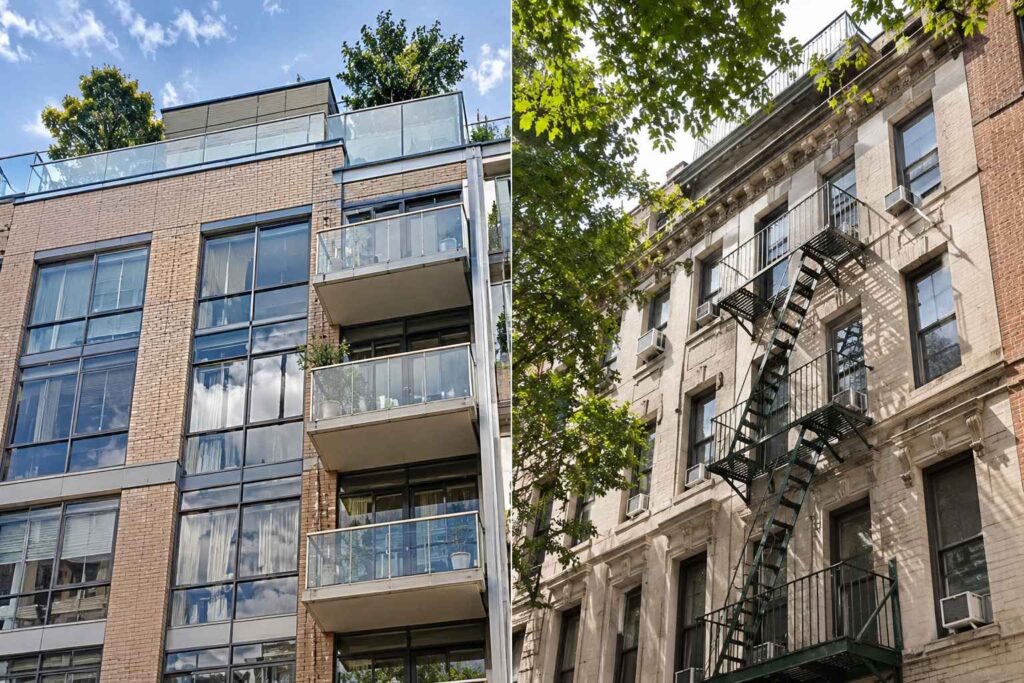
Condos and co-ops look alike as listings, but they work differently. When you buy a condo, you own the real property directly. When you buy a co-op, you buy shares in a corporation that owns the building, reviewed and approved by a board.
Corcoran’s data shows a third tier in this market. New development one-bedrooms sold at a median price of $1.455 M.
Corcoran’s Manhattan real estate market report highlights significant price differences between resale condos, resale co-ops, and new developments.
Price per square foot shows the same difference. Resale co-ops closed at a median of $989, while resale condos closed at $1,468.
Location moves prices even more. Borough medians can hide the actual cost of a single unit. As per Houzeo market data, the median home price in New York was $870,000 in March 2026. In Manhattan, it was $1,325,000 for the same period. Williamsburg in Brooklyn had a median price of $1,379,500, which is higher than Manhattan’s overall number.
These medians mix all unit sizes and building types. They say very little about one-bedroom pricing. Look inside Manhattan, and you see how much neighborhoods drive value. Resale co-op one-bedrooms on the West Side had a median of $750,000, while Upper Manhattan’s median was just $423,000.
New York’s housing costs also make renting an interesting comparison, especially when considering what the Friends apartment would cost to rent today in one of Manhattan’s most recognizable neighborhoods.
How Much Leverage Do NY Buyers Have?
Buyers in New York have more choice and negotiating power. Homes stay on the market for an average of 79 days. Total inventory was 6.1 months’ supply.
For a broader perspective, the Seattle housing market offers another example of how available inventory, price reductions, and buyer demand influence real estate negotiations.
During this period, properties sold for an average of 98.12% of their asking price, while 20.28% saw price reductions. Bidding wars were rare. Only 12.87% of homes for sale in New York closed above the asking price.
In Manhattan, that number was 3.58%. Where supply is tighter, buyer flexibility shrinks quickly. Williamsburg is one example, with its inventory at just 1.9 months of supply.
Building structure also affects how much sellers will negotiate. In Manhattan, signed condo contracts sold 4.5% below the final asking price, while co-op contracts sold at 1.9% below asking. Seasonal timing can help buyers too. August to December is typically the best window to buy, when supply is high and demand is low.
Before you start bargaining, compare what a one-bedroom in Manhattan lists for with similar one-bedrooms in Brooklyn and Queens. Search by bedroom count and neighborhood to see how far apart asking prices are. That gap tells you whether your budget goes further outside Manhattan.
Compare Closing Costs for a Condo and Co-op
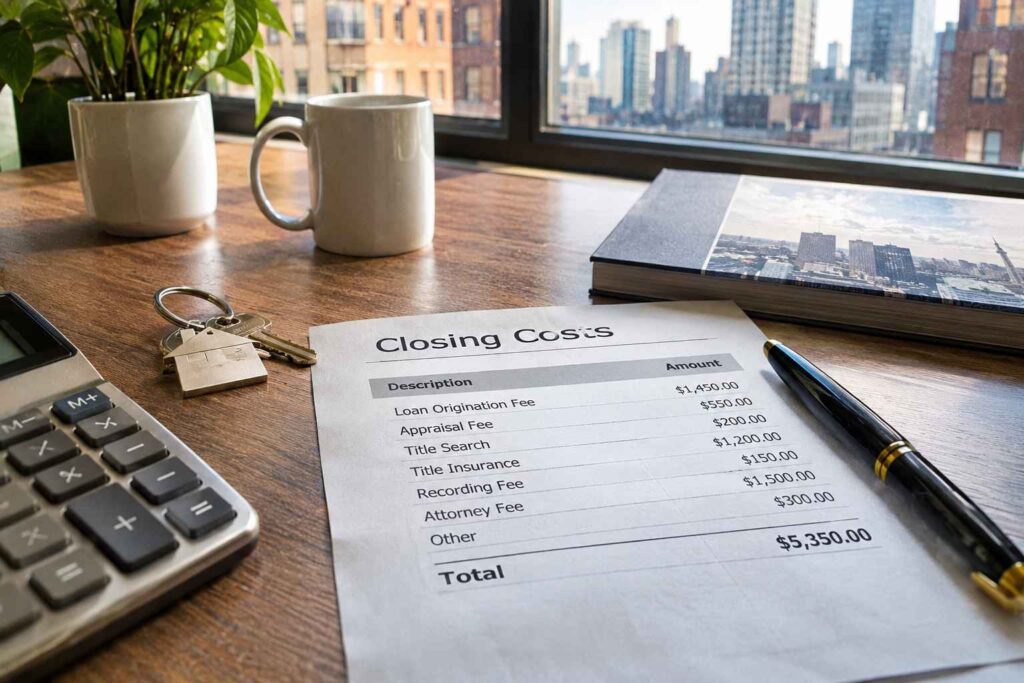
Your total closing costs depend heavily on the final purchase price. New York State imposes a 1% mansion tax on residential sales that reach or exceed $1 million.
This tax applies to co-op sales as well. Higher supplemental tax rates take effect once home prices cross $2 million. In the third quarter, 42% of Manhattan sales fell below $1 million, the second-lowest share on record since the second quarter of 2019.
Your building type adds a second cost split at the closing table. A mortgage on a condo triggers New York’s mortgage recording tax of 1.8% to 1.925% of the total loan amount, depending on the loan size. Financing co-op shares avoids this tax entirely.
On a $700,000 home loan, the difference adds $13,475 to a condo buyer’s bill. Ask a real estate attorney for an itemized cost estimate before you sign a contract.
Updated NYC Deadlines for Co-op Boards
A recent New York City law took effect in July 2026, which sets strict time limits on co-op board reviews. Managing agents must formally acknowledge your application within 15 days of submission. Once your application is complete, the board has 45 days.
In that time, it must issue an official approval or rejection. Missing the deadline does not grant approval to the buyer automatically. Instead, the city housing department can fine the co-op building, starting at $1,000 per violation, as per NY1.
The law does not change a board’s right to reject applicants without stating a cause, and will not reduce the volume of financial records boards require. So, gather every financial document before you submit an offer. Ask the managing agent for the building’s exact requirements early to save time.
Key Strategies to Navigate NYC’s Evolving Inventory
Current inventory trends reflect a possible direction depending on the property type. Active new-development listings dropped by 22%, their lowest level since late 2012. Resale condo inventory grew for a seventh consecutive quarter.
One-bedroom listings increased by 6%. Larger unit sizes declined. Buyers have more options among resale condos and one-bedrooms, and fewer choices in new-construction projects.
As available options lean heavily toward resale units, success depends on how well you evaluate the building itself. The smartest buyer in New York will treat the building as the real purchase and the apartment as the smaller one.
Read a year’s worth of meeting minutes to see what residents argue about. Ask for the reserve fund balance and any assessments already planned, since a low cushion usually becomes your bill. Hire an attorney who has closed in that exact building type, and have them flag restrictions on renting out or reselling the unit.
Once the purchase is complete, reviewing the essential tasks after buying a house can help you prioritize safety checks, maintenance, and other responsibilities before settling into your new apartment.
Speak directly with a neighbor in the lobby before signing. Finally, maintain an active backup apartment so a failed inspection or board rejection does not force you to restart your NY apartment search entirely.