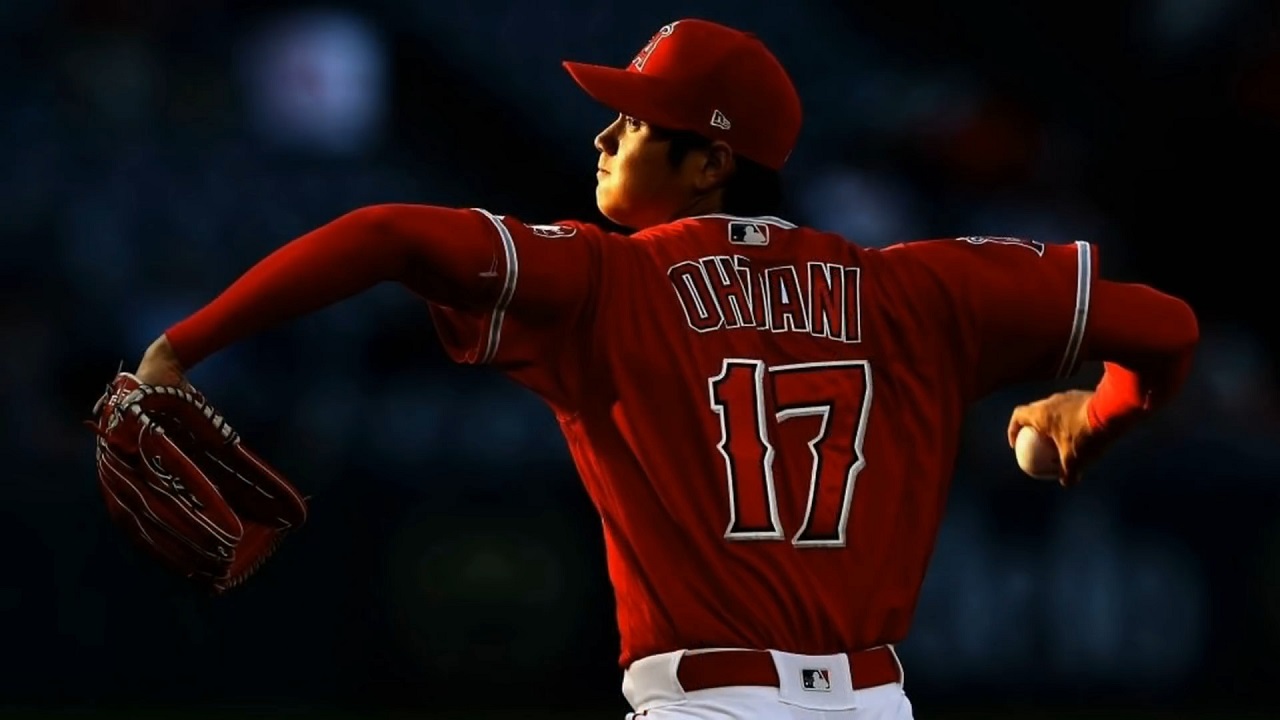
Shohei Ohtani will earn just $2 million in 2026, even after agreeing to a record-setting $700 million contract.
Such a figure quickly confuses fans and sparks debate across media coverage, since it appears far below expectations for a player of his caliber.
Reality behind that number comes down to an extreme deferred payment structure that shifts most earnings into the future while giving his team financial flexibility today.
Let’s talk about his contract in greater detail.
Why Only $2 Million When Contract Says Different?
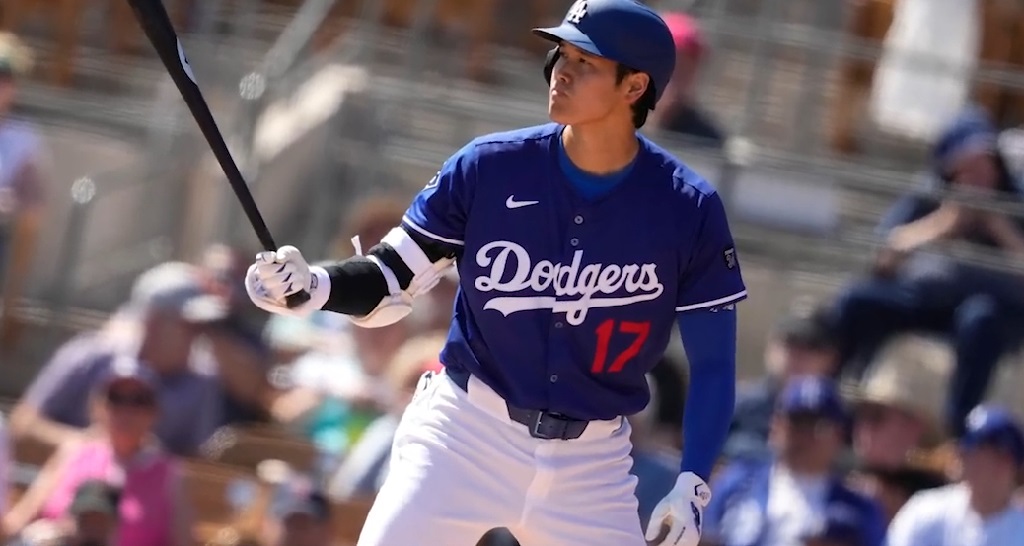
Annual salary during the contract years is locked at $2 million, which explains why Ohtani earns that amount in 2026.
Most of his earnings are intentionally shifted into the decade following the end of the contract, creating a long delay between performance and payment.
Luxury tax calculations rely on average annual value rather than actual cash paid each season.
The figure used for that purpose sits around $46 million per year after adjusting for present value.
That number determines how the Dodgers are evaluated financially by the league, not the $2 million salary that appears on the surface.
Split between cash flow and accounting creates two different views of the same contract:
- Ohtani receives $2 million in salary during the season
- Dodgers carry a much higher figure for payroll calculations
Such a setup affects more than internal budgeting. Conversations around roster construction often factor in how much flexibility a team has to add talent.
Analysts, fans, and even discussions tied to MLB betting lines consider how payroll structure influences overall competitiveness.
What Does Ohtani’s Historic Contract Include?
Shohei Ohtani agreed to a 10-year, $700 million deal with the Los Angeles Dodgers that runs through the 2024 to 2033 seasons.
Length and total value immediately set a new benchmark across Major League Baseball and the broader sports world.
No previous contract had reached that level, which instantly placed Ohtani in a category of his own in terms of financial scale.
Contract design separates it from standard superstar agreements. Most MLB deals distribute salary more evenly across each season, giving players large annual paychecks while teams absorb steady payroll costs.
Ohtani’s contract flips that model almost entirely. Heavy reliance on deferred payments allows the Dodgers to keep yearly cash obligations extremely low during the active years of the deal.
Present-day valuation tells a different story than the headline number.
Once deferred payments are discounted, the contract is estimated to fall in the range of about $460 million to $470 million.
Gap between the nominal value and actual present value exists because money paid years later carries less worth than money received today. That distinction plays a major role in how teams evaluate long-term commitments.
Deferred Money Explained
Deferred salary refers to compensation earned during a contract period but paid at a later date. Arrangement allows teams to delay large financial obligations while still committing to high total values on paper.
In Ohtani’s case, the scale of deferrals stands out even among rare examples across league history.
Approximately $680 million of the $700 million total is deferred, which equals about 97% of the entire contract.
Only $20 million will be paid during the 10-year playing window, an unusually small portion for a deal of this size. Structure dramatically shifts when payments are actually delivered.
Breakdown of the payment schedule shows how extreme the setup is:
- 2024 through 2033: $2 million per year
- 2034 through 2043: $68 million per year
Deferred payments come without interest, which significantly reduces the present value compared to the headline figure.
Lack of interest means Ohtani accepts less total value in today’s dollars in exchange for long-term payouts.
League rules allow deferred contracts, but usage at this level remains extremely rare due to the financial trade-offs involved.
Benefits for the Los Angeles Dodgers
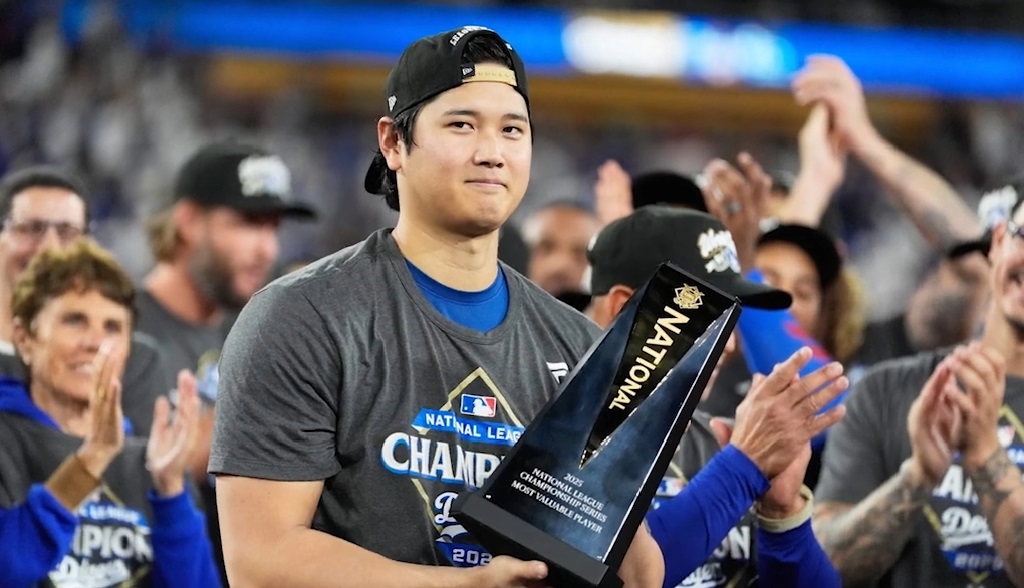
Cash flow flexibility during the contract years gives the Dodgers significant room to maneuver.
Paying only $2 million annually in actual salary allows the organization to allocate resources across multiple roster spots rather than committing massive yearly sums to one player.
Front office gains the ability to target additional star players, extend key contributors, and maintain depth across the lineup and pitching staff. Competitive balance improves when financial pressure is spread out instead of concentrated in one area.
Immediate financial burden remains relatively low in terms of cash paid each season.
Even though luxury tax calculations still reflect a higher number, real cash savings provide operational advantages that few teams can replicate at this scale.
Deferred structure also lines up with projected growth in league revenue. Future income streams, including media rights and global expansion, may make large payouts in the 2034 to 2043 window easier to absorb.
Short-term payroll pressure drops while still securing one of baseball’s most valuable players.
Benefits for Shohei Ohtani
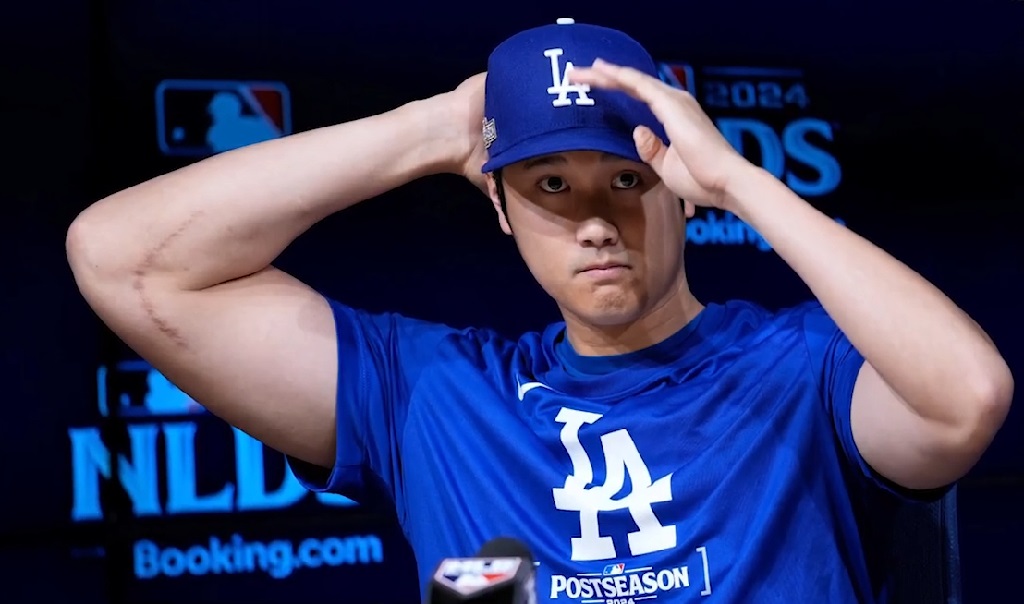
Focus on winning played a major role in shaping the agreement. Lower annual salary during active seasons allows the Dodgers to build a stronger roster around him, increasing chances of postseason success.
Endorsement income offsets reduced on-field salary in the short term.
Ohtani already earns tens of millions annually through sponsorships, partnerships, and global marketing deals, which softens the impact of smaller paychecks during the contract years.
Long-term payout ensures financial stability well after his playing career ends. Receiving $68 million per year for a decade after retirement creates a steady income stream that few athletes ever experience.
Spreading income across multiple decades may also create advantages tied to tax planning and residency decisions.
The timing of payments can influence overall tax exposure, depending on where Ohtani resides during those later years.
The decision shows a clear willingness to prioritize team success and career impact over immediate financial gain.
Arrangement balances personal earnings with the opportunity to compete at the highest level alongside a strong supporting roster.
Summary
Shohei Ohtani’s $2 million salary in 2026 does not represent a discount but a carefully structured financial plan.
Contract balances team competitiveness with long-term personal earnings.
Structure reshapes expectations around how superstar deals can be arranged in professional sports.
Final takeaway centers on timing, flexibility, and total value rather than annual salary figures alone.

- Best Universities for Music Production in 2026 - September 11, 2026
- Ethan Klein Biography 2026, Age, Career, Wife, Family and H3H3 - September 11, 2026
- There Is Much More to Steve Aoki Than Music and Flying Cakes - September 3, 2026