


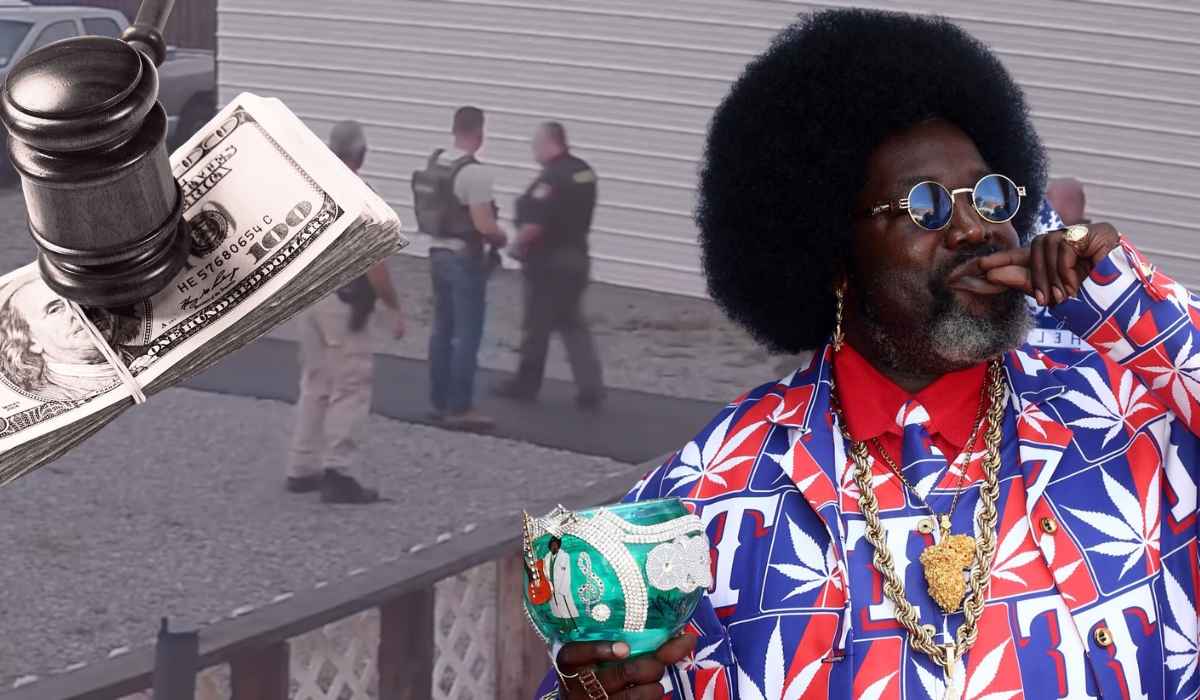
Rapper Afroman, whose real name is Joseph Foreman, secured a legal victory after being sued by several Ohio sheriff’s deputies.
The case focused on his decision to use actual footage of a police raid inside music videos that later gained massive online attention.
The situation quickly turned into a major example of how free speech, satire, and artistic expression can be tested in court when law enforcement is involved.
Background of the 2022 Police Raid
A police raid took place in 2022 at Afroman’s home in Adams County, Ohio.
The event began after authorities obtained a warrant tied to serious criminal allegations, including suspected drug trafficking.
- Suspected drug trafficking
- Suspected kidnapping
Officers with the Adams County Sheriff’s Office entered the property and carried out a detailed search. Multiple rooms were examined, including areas considered highly private.
The entire operation was captured through Afroman’s home surveillance system, which recorded movements, conversations, and actions of deputies throughout the house.
Search results did not support the claims listed in the warrant. No evidence tied to drug trafficking or kidnapping was discovered, and no charges followed.
Even with that outcome, physical damage occurred during the process, most notably a broken door that required repair.
Afroman later stated that cash kept inside the home was missing after deputies completed the search. The allegation added another layer of tension to an already stressful situation.
The incident left a lasting effect on daily life, creating financial strain tied to property damage and emotional stress linked to the invasion of privacy.
Creation of Viral Music Videos
Afroman later turned recorded footage into creative work, using material captured by his own surveillance system.
- “The Police Raid”
- “Lemon Pound Cake”
- “Why You Disconnecting My Video Camera”
- “Will You Help Me Repair My Door?”
Visual content in those videos showed deputies moving through the home, opening cabinets, and inspecting belongings.
Edits added humor through zoom-ins, repeated clips, and exaggerated focus on certain moments.
Some sequences implied misconduct, including suggestions that money had been taken during the raid.
Tone stayed satirical and critical, using comedy to question actions seen in the footage. Humor did not remove the underlying message, which pointed toward concerns about authority and accountability.
Public reaction spread quickly after the release. Videos gained millions of views across platforms in a short time.
- Conduct of law enforcement during home searches
- Use of force and property damage
- Accountability when no charges are filed
The Lawsuit by Ohio Deputies
Seven deputies involved in the raid responded by filing a lawsuit against Afroman.
Legal action included several claims that addressed both personal and professional harm.
- Defamation
- Invasion of privacy
- Intentional infliction of emotional distress
- Unauthorized use of names and likenesses
Deputies argued that edited footage created a misleading image that painted them as corrupt or incompetent.
Public exposure led to negative attention, including ridicule and online harassment.
Statements provided during the case described damage to personal reputations and strain on professional standing.
Financial demand tied to the lawsuit reached approximately four million dollars, reflecting claims of emotional and reputational harm.
Afroman’s Defense
Afroman grounded his defense in First Amendment protections, stating that his work fell under free speech and artistic expression.
The argument focused on the idea that creative interpretation of real events is allowed, especially when tied to personal experience.
- Footage had been recorded legally inside his own home
- Content acted as satire and commentary connected to a real incident
- Law enforcement officers qualify as public officials open to criticism
Music videos were also presented as a response to what he experienced during the raid.
Personal harm included property damage, stress, and unresolved concerns after no charges were filed.
Creative output functioned as a way to process and express that experience.
The Trial
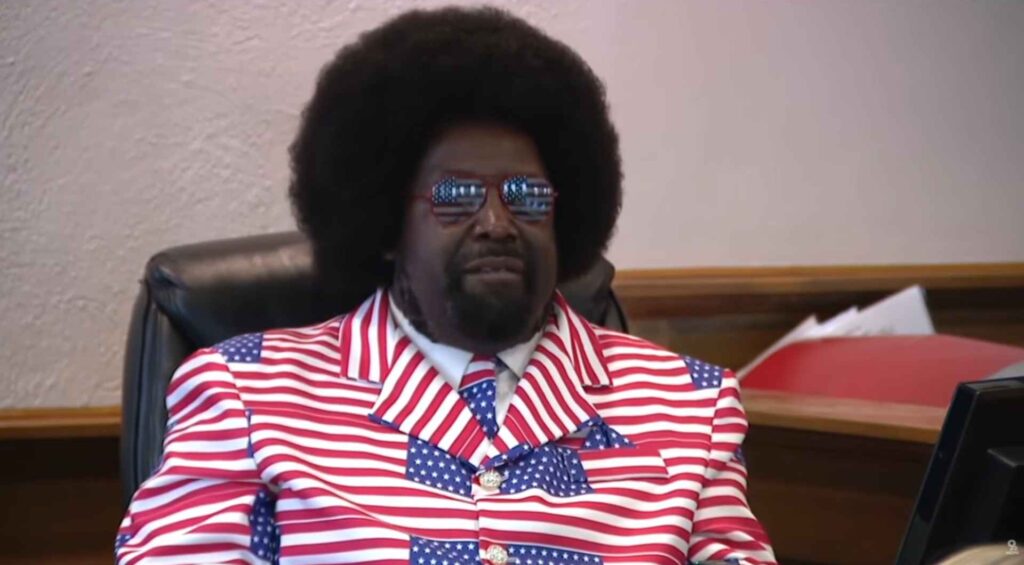
The trial took place in March 2026 in Ohio, bringing both sides into a courtroom setting where testimony and evidence were examined in detail.
Afroman described the impact of the raid on his life, focusing on both emotional strain and financial cost.
He explained that humor played a central role in his creative response and that the intention was expression rather than harm.
Deputies provided their own accounts, describing feelings of humiliation and concern after videos spread online.
Public reaction, including comments and messages, contributed to stress and fear.
- If the videos met the legal definition of defamation
- If satirical content qualified as protected expression
- If use of real footage featuring deputies violated any personal rights
Verdict and Outcome
A unanimous decision was delivered by the jury in favor of Afroman after deliberation concluded.
Jurors agreed that the material presented in court did not meet the legal standards required to support the deputies’ claims.
The ruling made it clear that his videos qualified as protected speech under the First Amendment.
Content was recognized as artistic expression that used satire and commentary tied to a real incident involving his own property.
Court findings addressed each major claim raised in the lawsuit.
After reviewing testimony, video evidence, and legal arguments, jurors rejected accusations tied to harm and misrepresentation.
- Defamation tied to portrayal of deputies
- Intentional infliction of emotional distress
- Violations connected to the use of names and likenesses
The decision reinforced the idea that public officials, including law enforcement officers, can be subject to criticism and satire when actions are documented and shared in a creative format.
- No financial damages were awarded to any of the deputies
- All major legal claims dismissed in full
Afroman responded publicly after the verdict and framed the decision as a win for free speech rights.
He pointed to the importance of allowing artists to respond to personal experiences, especially when those experiences involve government authority and public interest.
Reaction to the verdict also carried broader implications. Outcome signaled that creative works based on real events can remain protected, even when they portray officials in an unflattering or controversial way.
View this post on Instagram
Summary
The case shows how satire and commentary connected to real events can receive strong legal protection.
Individuals have the ability to document and critique actions of law enforcement, especially when recordings come from their own property.
Broader impact points to the growing influence of viral content in shaping both public opinion and legal outcomes.
Also Read: What could’ve happened to Afroman, already did to many celebrities before him. Read more about celebrities who lost everything here!