

Stay with us and find out where the next one takes us.
- Seattle Housing Market 2026, Is Now a Better Time to Buy a House? - October 21, 2026
- US States Ranked by Work-Life Balance, Where Are People Happiest? - October 20, 2026
- More Than 30% of Homes in California Now Sell for Over $1 Million - October 20, 2026
Great albums do not always get a great welcome. Fleetwood Mac released Tusk after Rumours and suddenly sounded like a band trying to escape its own success. Neil Young followed Harvest with darker, rougher records that frustrated listeners who wanted another “Heart of Gold.” Lou Reed took the audience he had gained with Transformer and handed them Berlin, a grim story about addiction, abuse and a relationship falling apart.
Those records were not failures in the way their early reputations suggested. Fans were reacting to surprise as much as to the music itself. A new album could look terrible simply because it was nothing like the one people had spent the previous two years playing to death.
Time removed most of that baggage. New listeners discovered the records without waiting for another Rumours or Harvest. Musicians started borrowing ideas that critics had once dismissed. Reissues brought neglected albums back into circulation. A few records that had once been treated as mistakes ended up becoming the albums serious fans argued for the hardest.
Here are ten classic rock records whose reputations changed dramatically after release, along with the actual reasons people disliked them in the first place and what eventually brought listeners back.
1. Fleetwood Mac, Tusk

Fleetwood Mac had already made the album every record company dreams about. Rumours sold at a level almost no band could realistically repeat, produced a run of huge singles and turned the group into one of the biggest acts in the world.
Then Lindsey Buckingham decided that repeating it would be boring.
Tusk came out in 1979 as a 20-song double album. Buckingham pushed his material toward rougher recordings, odd drum sounds and short songs that felt much less polished than the music on Rumours. Christine McVie kept writing smooth melodic songs. Stevie Nicks brought “Sara” and “Storms.” The three writers often sounded as if they were making different albums inside the same sleeve.
That contrast is one reason Tusk is much more interesting today than the old “expensive flop” label suggests.
The title track is the obvious example. Fleetwood Mac recorded it with the USC Trojan Marching Band at Dodger Stadium. Instead of following “Go Your Own Way” with another clean radio-rock single, they released a song built around drums, chanting and a marching band.
“The Ledge” sounds almost like a garage recording. “Think About Me” could have been a straightforward hit. “Sara” stretches past six minutes on the original album and creates a completely different mood again.
Tusk still sold millions. The problem was that people compared those millions with Rumours.
We placed it near the top of ranking of Fleetwood Mac albums. That is a much fairer place for it than the old story about a band wasting money in the studio.
If you have never heard the whole album, start with “Sara,” “Think About Me,” “The Ledge” and “Tusk.” Those four tracks explain the record better than any description of its production budget.
2. Paul and Linda McCartney, Ram
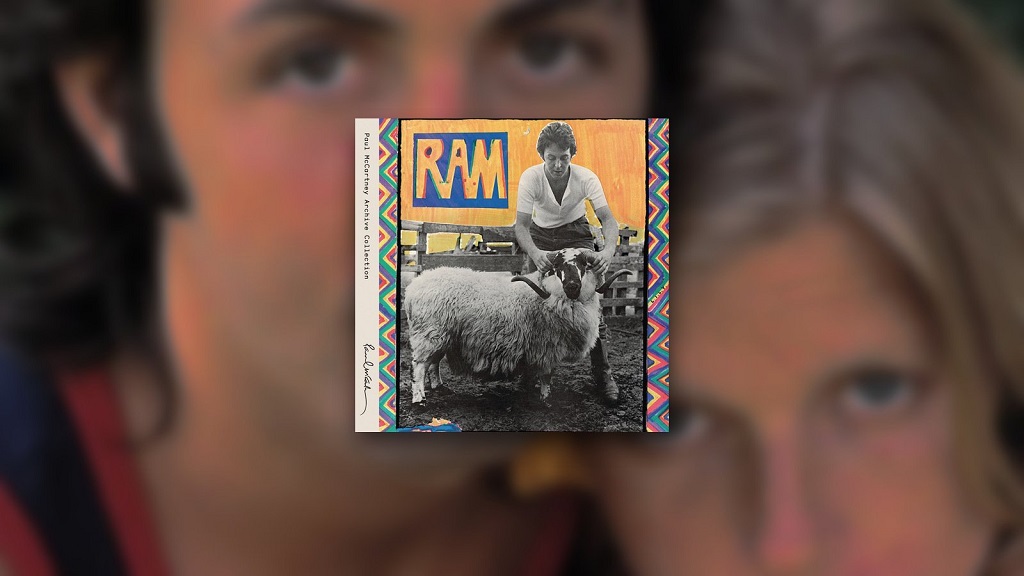
Ram had the bad luck of arriving while the Beatles breakup still felt fresh.
Paul McCartney released the album in 1971 with Linda McCartney credited alongside him. Fans were still arguing about who had caused the Beatles to split. John Lennon and McCartney were publicly taking shots at each other. Every lyric attracted more attention than it probably deserved.
That atmosphere followed Ram into the reviews.
The record itself is playful, strange and packed with ideas. “Too Many People” has real bite. “Dear Boy” piles one vocal harmony on top of another. “Uncle Albert/Admiral Halsey” moves through several different sections and somehow became a No. 1 single in the United States.
Then there is “Monkberry Moon Delight,” where McCartney sounds like he is trying to tear his throat apart over piano, bass and backing vocals.
Nothing about Ram feels carefully designed to prove that Paul McCartney could continue making Beatles records without the Beatles.
That probably hurt it in 1971 and helped it later.
McCartney’s official page for Ram discusses how much the album’s reputation improved after its original release.
Modern listeners also have decades of indie pop, home recording and bedroom production behind them. An album built around personal ideas, odd transitions and unusual vocal arrangements no longer sounds like somebody retreating from professional rock music.
Ram sounds like McCartney enjoying the freedom to make exactly the record he wanted.
For a first listen, try “Too Many People,” “Dear Boy,” “Uncle Albert/Admiral Halsey” and “The Back Seat of My Car.”
3. Lou Reed, Berlin
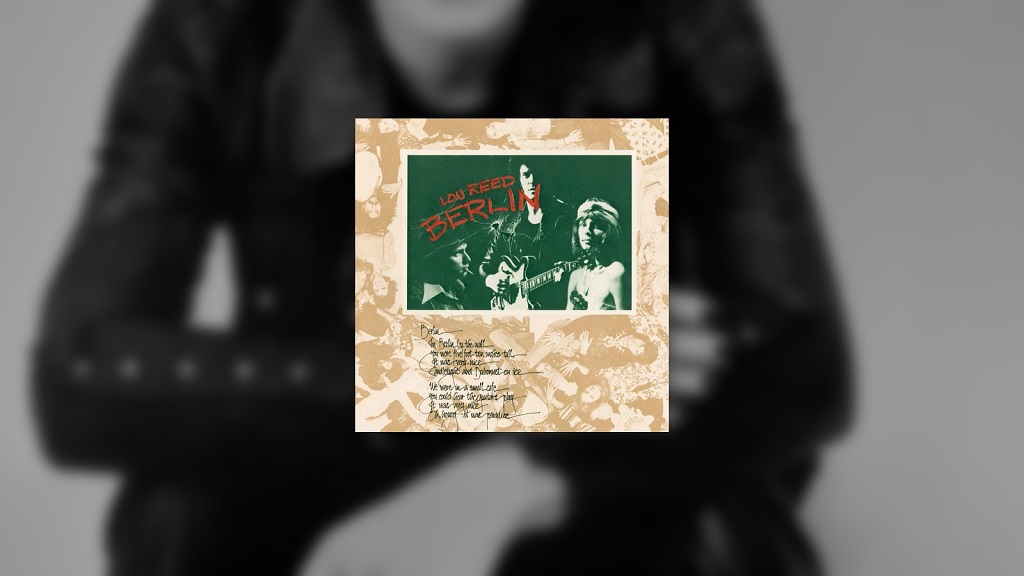
Lou Reed could hardly have chosen a less commercial follow-up to Transformer.
Transformer had given him “Walk on the Wild Side,” “Satellite of Love” and a much larger audience. Berlin gave that audience a story about Jim and Caroline, a couple whose relationship collapses under drugs, violence and misery.
There is no easy escape from the story once the album starts.
“Caroline Says II” deals directly with abuse. “The Kids” uses the sound of crying children. “The Bed” describes the aftermath of Caroline’s suicide in a voice so calm that it makes the song even harder to hear.
The arrangements are surprisingly grand for such bleak material. Piano, strings, horns and backing vocals make parts of Berlin sound almost theatrical.
That combination did not help the album find an easy audience in 1973. Critics attacked it and sales were poor compared with Transformer.
Decades later, Reed returned to Berlin and performed the entire album on stage. Those concerts eventually became the film Lou Reed’s Berlin.
That is a remarkable turnaround. An album once treated as a terrible follow-up eventually became a work fans wanted to hear performed from beginning to end.
Berlin works best when you treat it as one story rather than a collection of separate songs. Start at track one and stay with it. It is not cheerful listening, but that was never the point.
4. David Bowie, Low
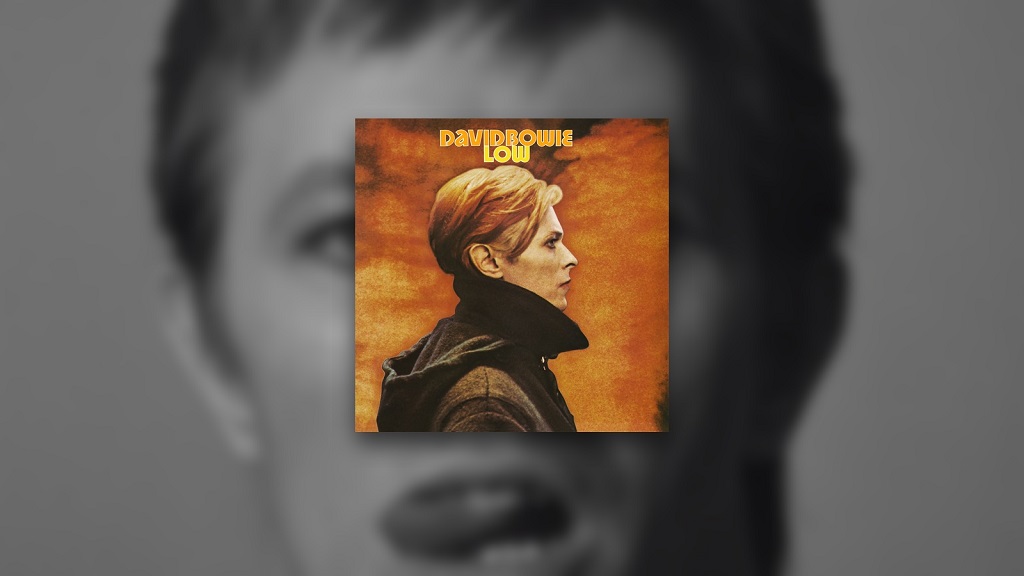
Low feels strange before Bowie even reaches the instrumental half of the album.
“Breaking Glass” lasts less than two minutes. “Sound and Vision” spends a long time building before Bowie finally starts singing. “What in the World” races forward with synthesizers, guitar and a nervous rhythm that barely gives the listener time to settle in.
Then side two changes the rules again.
“Warszawa,” “Art Decade” and “Subterraneans” move away from normal rock songwriting and into long, atmospheric pieces shaped by Bowie’s work with Brian Eno and Tony Visconti.
RCA had to sell an album that did not offer many obvious radio songs. Critics also had to decide what to do with a major rock star making instrumental music that sounded cold, sparse and unfamiliar.
A later Pitchfork review of Low explains how unusual the album’s structure remained even after decades of influence.
Later bands made Low easier to hear.
Post-punk musicians borrowed its clipped guitars and detached mood. Synth-pop turned electronic sounds into mainstream pop. Ambient music became far more familiar to rock audiences.
Low no longer sounds like Bowie disappearing into some private experiment. It sounds like a record that anticipated a lot of music that followed.
If you only know Bowie’s bigger singles, try “Sound and Vision,” “Breaking Glass,” “Always Crashing in the Same Car” and “Warszawa.”
5. Neil Young, On the Beach
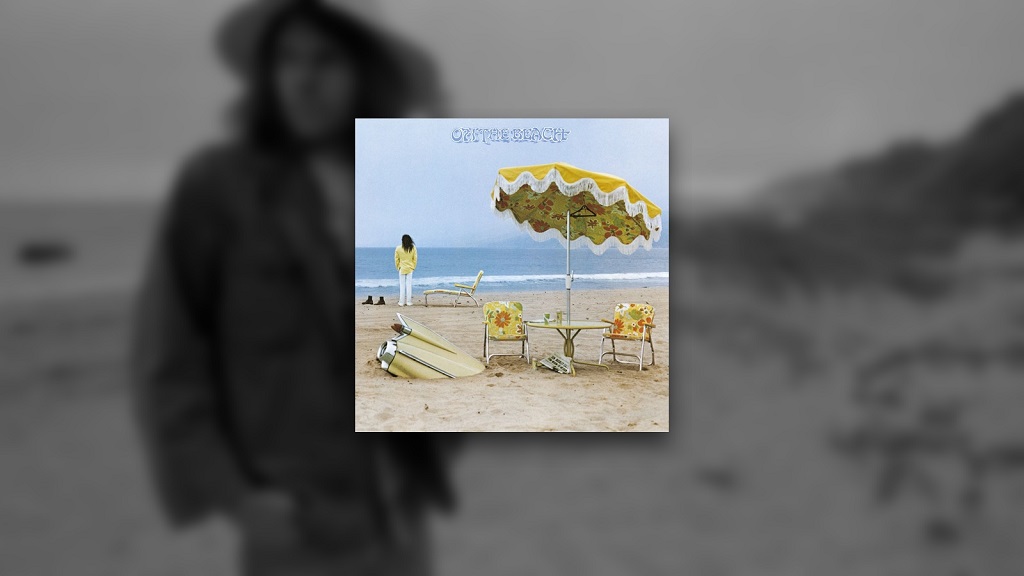
Harvest had made Neil Young a huge star. On the Beach sounds like the work of a man who was not enjoying the job.
The record came out in 1974. It is sparse, gloomy and far removed from the warm country-rock sound many listeners associated with Harvest.
“Revolution Blues” is tense and violent. “On the Beach” sounds exhausted with fame and the music business. “Ambulance Blues” runs for almost nine minutes and wanders through old friends, critics, politics and Young’s own frustration.
The production is plain and dry. Nothing has been polished to make the songs easier to sell.
AllMusic’s review of On the Beach describes the album as one of Young’s darker records from this period.
Its later history helped build the cult around it.
The album was unavailable on CD for years. An official CD release did not arrive until 2003. Fans who wanted to hear it had to find vinyl copies, tapes or unofficial versions.
By the time it returned properly, its reputation had already changed.
On the Beach is now one of the albums people recommend once someone has moved past Harvest, After the Gold Rush and Rust Never Sleeps.
“Ambulance Blues” is the essential track, but “Walk On” is a much easier place to begin.
6. The Rolling Stones, Exile on Main St.
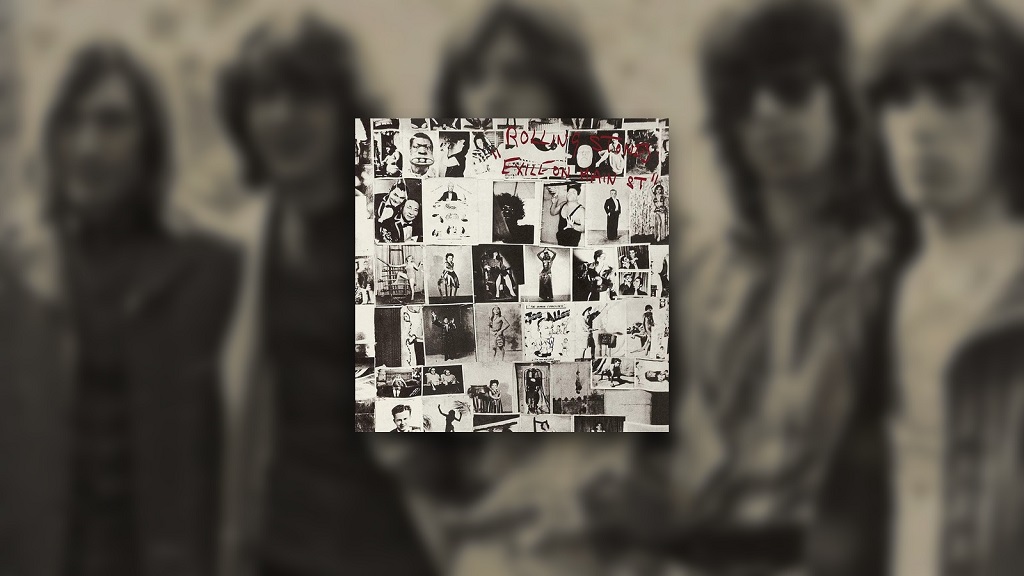
Exile on Main St. did not receive universally bad reviews. Some critics understood it immediately. The Guardian’s original 1972 review, available in the paper’s archive, was already positive.
Plenty of listeners still struggled with the album.
It is long. Mick Jagger’s voice disappears into the mix in places. Guitars, piano, horns and backing vocals crowd together. Songs do not always have the clean separation people expect from a major studio album.
The first few listens can feel messy.
Then the mess starts becoming the reason the album works.
“Rocks Off” sounds like a band playing at the edge of control. “Tumbling Dice” has a loose groove that cleaner production might have ruined. “Sweet Virginia” sounds dirty and relaxed at the same time. “Happy” gives Keith Richards one of his defining lead vocals.
“Let It Loose” starts quietly and ends with gospel singers filling the track.
AllMusic notes how the album’s reputation grew after its mixed early reception.
Exile does not need to sound clean. Its blues, country, gospel and rock influences are all mixed together. The dirt is part of the record.
7. The Rolling Stones, Their Satanic Majesties Request
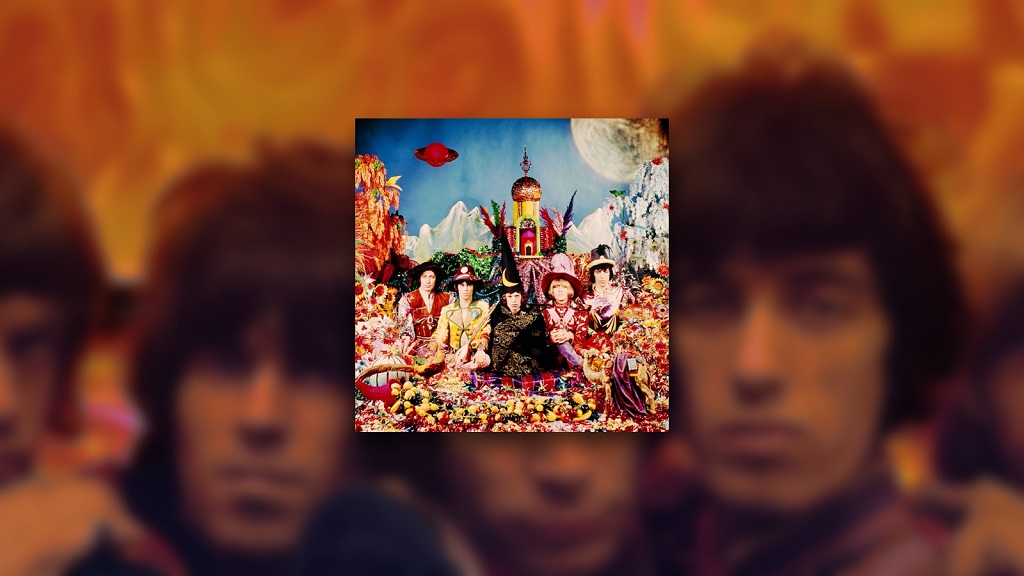
The Rolling Stones released Their Satanic Majesties Request in December 1967, several months after the Beatles released Sgt. Pepper’s Lonely Hearts Club Band.
The comparison was unavoidable.
The cover was psychedelic. The arrangements were full of Mellotron, effects and orchestration. Long sections moved away from the blues and R&B that had made the Stones famous.
Then the band quickly returned to a rougher sound on Beggars Banquet.
That made Satanic Majesties easy to dismiss as the album where the Stones temporarily followed a fashion that did not suit them.
The record is uneven. There is no need to pretend otherwise.
It also contains “She’s a Rainbow,” one of the band’s most melodic songs, and “2000 Light Years from Home,” which still sounds eerie decades later. “Citadel” has a sharp guitar sound that is much tougher than the album’s colorful reputation suggests.
A Pitchfork retrospective looks at the album without reducing it to a simple Sgt. Pepper imitation.
The best reason to hear it is simple. The Rolling Stones never made another album like it.
Start with “She’s a Rainbow,” “2000 Light Years from Home” and “Citadel.” If those three work for you, continue from there.
8. Lou Reed, Metal Machine Music

Metal Machine Music is not a normal Lou Reed album that critics happened to misunderstand.
It is roughly an hour of guitar feedback, electronic noise and sustained distortion.
There are no normal songs. Reed does not suddenly start singing halfway through. Nobody arrives with a chorus to reward your patience.
The reaction in 1975 was exactly what you would expect.
Copies were returned. Critics attacked it. Stories spread that Reed had made the record as a joke or as a way of causing trouble for his label.
Pitchfork’s retrospective on Metal Machine Music goes through much of that history and Reed’s real interest in feedback and electronic sound.
The album became easier to place after other musicians explored similar territory.
Noise rock grew into a recognized genre. Industrial music developed a major following. Sonic Youth built songs around feedback, alternate tunings and guitar sounds that older producers would have tried to remove.
Metal Machine Music still is not an easy listen.
Its reputation changed because it stopped sounding completely isolated.
Anyone curious about it should simply start at the beginning. Ten minutes will tell you more than ten reviews.
9. Big Star, Third/Sister Lovers

Big Star’s first two albums barely sold despite excellent songs and favorable reviews. By the time the sessions for Third/Sister Lovers began, the band was already falling apart.
Alex Chilton and drummer Jody Stephens were the main remaining figures. The recordings were made in the mid-1970s, but the project had no clear commercial future.
Even the album title became uncertain. Third, Sister Lovers and Third/Sister Lovers have all been used for different releases.
Pitchfork’s review of Complete Third explains how complicated the recording and release history became.
The music sounds just as unstable.
“Kanga Roo” begins quietly and slowly fills with strange noise. “Big Black Car” sounds tired and distant. “Holocaust” is almost painfully bleak. “Thank You Friends” suddenly sounds bright enough to belong on a different record.
For years Big Star were far more influential than successful.
R.E.M., the Replacements, Teenage Fanclub and many other alternative bands talked about them, covered their songs or clearly borrowed from their sound.
The audience Big Star needed in the 1970s arrived years later.
Third/Sister Lovers became especially important because later indie rock made room for records that sounded fragile, imperfect and emotionally exposed.
Start with “Kanga Roo,” “Big Black Car” and “Take Care.”
10. Black Sabbath, Technical Ecstasy
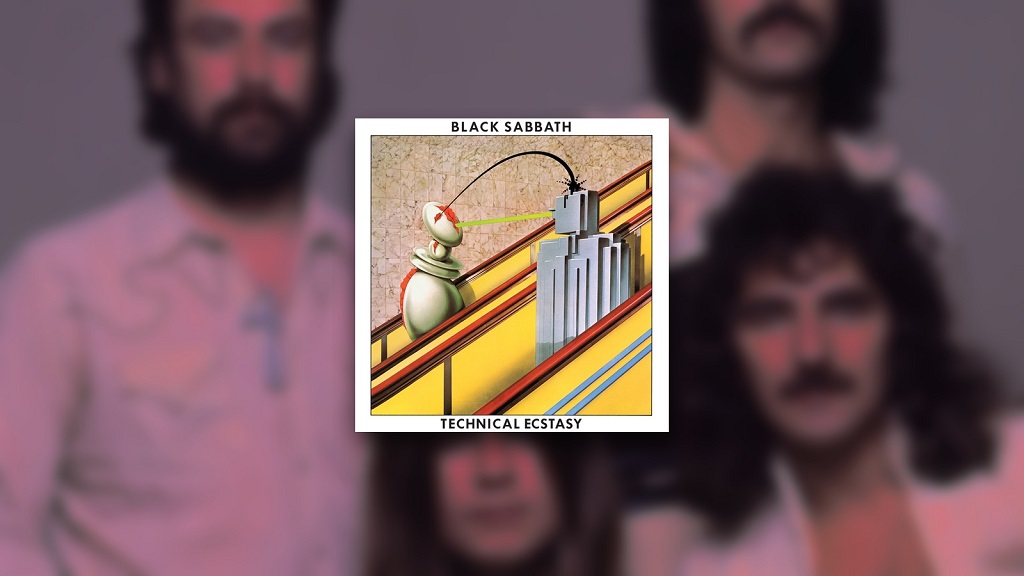
Black Sabbath entered 1976 with an incredible problem of their own making.
They had already released Paranoid, Master of Reality, Vol. 4, Sabbath Bloody Sabbath and Sabotage.
Fans expected crushing Tony Iommi riffs, dark Geezer Butler lyrics and Ozzy Osbourne sounding like nobody else on the radio.
Technical Ecstasy changed the recipe.
Keyboards became more noticeable. The production was cleaner. Bill Ward sang “It’s Alright,” a soft song that sounded far removed from “War Pigs” or “Children of the Grave.”
The band also leaned more heavily into hard rock and progressive ideas.
The reaction was divided, and the album still ranks low for plenty of Sabbath fans.
That does not mean it has nothing worth hearing.
“Back Street Kids” gets straight to the point. “You Won’t Change Me” combines heavy guitar with keyboards in a way that feels unusual for Sabbath. “All Moving Parts (Stand Still)” has an odd groove. “Dirty Women” closes the album with one of its best riffs and later became a regular live song.
Technical Ecstasy works much better when you stop asking it to be another Master of Reality.
That is an unfair test for almost any heavy rock album.
Which Albums Changed Their Reputation the Most?
Ram probably has the cleanest comeback story. The critical reaction around it was rough, but it is now regularly discussed as one of McCartney’s best solo albums.
Tusk had another problem. It sold millions and was still treated like a failure because Rumours had set an absurd commercial standard.
Low went even further. The album moved from a strange Bowie release that puzzled parts of his audience to one of the records most frequently mentioned when people discuss his best work.
Exile on Main St. had supporters from the start, but its reputation kept growing until it became a standard answer to the question of the best Rolling Stones album.
Metal Machine Music never became universally loved, and it probably never will. Its comeback happened among critics, experimental musicians and listeners interested in noise rather than the wider rock audience.
Why the Reactions Look Different Now
People who bought Tusk in 1979 had spent the previous two years hearing Rumours everywhere. A listener finding Tusk today does not carry that expectation into the first song.
The same applies to On the Beach. Someone who had just bought Harvest might reasonably have wondered where Neil Young’s accessible country-rock sound had gone. A listener discovering On the Beach now simply hears a dark Neil Young record.
Later musicians also changed the context around several albums.
Post-punk and electronic pop helped listeners recognize what Bowie had been doing on Low. Noise rock gave Metal Machine Music a musical family it did not have in 1975. Alternative bands kept talking about Big Star until people finally went back and bought the records.
Good music sometimes needs the right audience. That audience does not always arrive on release day.
Final Thoughts
Tusk remains one of Fleetwood Mac’s boldest left turns. Berlin is just as dark and uncomfortable as it was in 1973. Technical Ecstasy continues to split Black Sabbath fans because parts of it work far better than others.
Their reputations improved because listeners eventually approached them without demanding another Rumours, Transformer or Master of Reality.
Those traits did not disappear when the reviews improved.
People simply became better at hearing what each record was trying to do instead of judging it against the album they wanted the artist to make.
If you have ignored any of these records because of an old reputation, pick one and play it from beginning to end. Tusk, Ram and On the Beach are particularly good places to start.
You may still hate it.
At least you will make your own opinion rather than relying on a review written fifty years ago.