

Stay with us and find out where the next one takes us.
- Snoop Dogg Biopic 2027 – Release Date, Cast and What the Film Covers - October 26, 2026
- 7 Famous Chefs Who Started Their Careers Washing Dishes - October 23, 2026
- What Is the Best Month to Visit Hawaii? Weather, Beaches and the Best Things to Do - October 22, 2026
Modern music creation allows artists to write, practice, record, mix, and release professional work without access to traditional studios. Success depends on treating every stage as a connected system rather than isolated steps.
Strong results come through intentional routines, technical discipline, and feedback at each phase of creation.
Independent artists and home studio producers benefit most when creative decisions align across writing, performance, recording, and final polish.
High-quality music rarely happens by accident. Consistency, preparation, and objective listening transform ideas into finished releases that compete on major platforms.
Songwriting
Songwriting succeeds when creative freedom meets reliable systems.
Ideas appear at unpredictable moments, while finished songs demand:
- Structure
- Repetition
- Decision-making
Tools and routines work together to reduce friction between inspiration and completion, allowing writers to stay focused on musical intent instead of technical obstacles.
Tools for Inspiration and Capturing Ideas
Digital audio workstations such as Ableton Live, Logic Pro, and FL Studio serve as central hubs for modern songwriting.
Fast recording, flexible arrangement tools, and non-destructive editing allow ideas to develop without interruption.
Session templates remove repetitive setup tasks and preserve creative momentum by placing writers directly into a ready-to-create environment.
Mobile tools extend songwriting into daily life. Mobile tools extend songwriting into daily life. Voice Memos, Notion, and Soundtrap to capture ideas that surface away from the studio.
Small fragments gain value when stored immediately, including items such as:
- melodic contours hummed into a phone
- short lyric phrases sparked by conversation
- rhythmic ideas tapped or beatboxed
Hardware tools add a tactile dimension that often unlocks ideas unreachable through screens alone.
MIDI controllers encourage harmonic exploration through physical movement, while loop pedals allow layered experimentation in real time.
Physical engagement often leads to rhythmic and melodic choices that feel more instinctive.
Creative plugins such as generative chord or melody tools support idea expansion by suggesting harmonic directions or variations.
Careful use keeps creative authority with the writer while accelerating progress during early stages.
Songwriting Routines

Creative consistency depends on intentional structure. SMART goals sharpen focus by defining measurable outcomes tied to deadlines.
Weekly targets maintain forward motion and prevent songs from lingering unfinished.
Momentum improves when objectives emphasize completion rather than perfection.
Examples of effective weekly targets include:
- finishing one chorus melody and lyric
- outlining a full song structure without production polish
- rewriting one verse for clarity and rhythm
Chunking reduces creative overload by separating song sections during development.
Intro, verse, pre-chorus, and chorus benefit focused attention before full arrangement assembly. Smaller tasks feel manageable and encourage decisive writing.
Professional reference tracks guide tonal direction and genre alignment early. Early comparison prevents misalignment that could require major revisions later.
Scheduled creative blocks build reliability over time. Dedicated sessions for lyric writing or melody shaping transform songwriting into a repeatable practice rather than an occasional activity.
Recording
Recording quality depends on preparation more than equipment. Intentional setup and repeatable habits preserve performance energy while avoiding technical setbacks.
Preparation and Setup
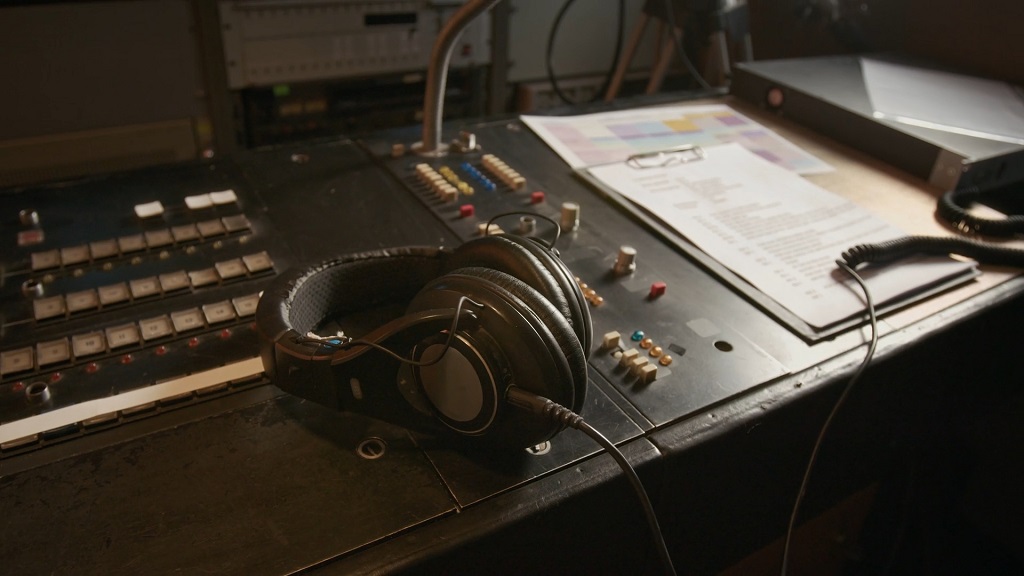
Reference tracks assist tonal balance assessment during setup. Listening before recording calibrates expectations and prevents extreme tonal choices.
Microphone placement improves through ear-based exploration instead of rigid positioning rules. Moving around the source identifies locations where tone feels balanced and natural.
Channel adjustments work best within full mix context. Solo listening often exaggerates issues that disappear once elements interact.
Smart Recording Habits
Multiple full takes capture natural performances and musical flow. Punch-ins solve problem sections without sacrificing feel.
Proper gain staging preserves headroom and clarity. Recording around minus eighteen dBFS supports clean processing later.
Dry recording maintains flexibility. Effects added during mixing remain adjustable and reversible.
Documentation improves consistency. Notes on microphone placement, preamp settings, and session details simplify future sessions.
Tools and Techniques
Reliable results do not require expensive gear. Affordable microphones such as SM57 and SM7B perform well across vocals and instruments.
Basic acoustic treatment reduces reflections and room coloration. Panels, blankets, or mattresses often deliver meaningful improvement.
Essential tools support accurate monitoring and capture:
- audio interface with clean preamps
- condenser or dynamic microphone
- closed-back headphones for tracking
View this post on Instagram
Stock and free plugins deliver professional results when used with intention and restraint.
Reliable results do not require a complicated setup. LAVA STUDIO delivers an integrated recording and looping experience for musicians, combining premium hardware and software for fast idea capture—no traditional setup required.
Practice
Instrumental growth depends on clarity, repetition, and honest evaluation. Practice time produces results only when guided by intention rather than habit.
Structured strategies turn effort into measurable improvement.
Setting Effective Goals
Skill development accelerates with specific and measurable targets. Clear goals remove guesswork and focus attention on achievable outcomes.
Effective practice goals share several characteristics:
- defined musical material
- clear tempo or technical requirement
- fixed completion date
Concrete targets such as mastering sixteen bars at eighty BPM by a specific day create accountability. Short-term goals build confidence while long-term objectives maintain direction.
Practice plans gain strength when aligned with upcoming performances or recording sessions. Purpose-driven preparation increases urgency and relevance.
Efficient Practice Techniques
Chunking musical material into small sections increases focus and retention. Narrow attention allows deeper correction and refinement.
Slow practice builds accuracy, timing, and tone control. Speed increases naturally once movements stabilize.
Repetition paired with variation prevents mental disengagement. Changing tempo, articulation, or dynamics maintains awareness and adaptability.
Mental practice strengthens execution away from the instrument. Score analysis clarifies structure and harmony. Visualization reinforces fingerings and expressive intent. Audiation develops internal pitch, rhythm, and dynamic control.
Deliberate Practice Strategies
Targeted work outperforms casual repetition. Technical weaknesses improve faster when isolated rather than hidden inside full run-throughs.
Growth accelerates when comfort zones expand. New scales, rhythmic groupings, or unfamiliar styles challenge existing habits and expose gaps.
Recording practice sessions reveals blind spots. Playback often exposes issues unnoticed during performance, including:
- timing inconsistencies
- uneven tone production
- articulation clarity problems
Professional references establish objective standards. Comparison clarifies improvement priorities and reduces subjective bias.
Practice Environment and Consistency
Practice gains importance when treated as a fixed commitment rather than an optional activity. Regular engagement builds skills faster than occasional intensity.
Progress tracking strengthens accountability. Journals or apps document tempo improvements, problem areas, and successful strategies.
External accountability sustains motivation. Teachers, peers, and deadlines reinforce consistency and focus.
Mixing
Mixing prepares music for final polish by establishing clarity, balance, and emotional impact. Strong fundamentals reduce reliance on heavy processing.
Level balance and panning create separation before plugin use. Clear relationships prevent frequency masking and clutter.
Reference tracks maintain objectivity throughout the process. Regular plugin bypass checks ensure processing improves rather than degrades clarity.
Every plugin must earn its place. Subtle changes often outperform aggressive moves.
Techniques and Plugin Strategies
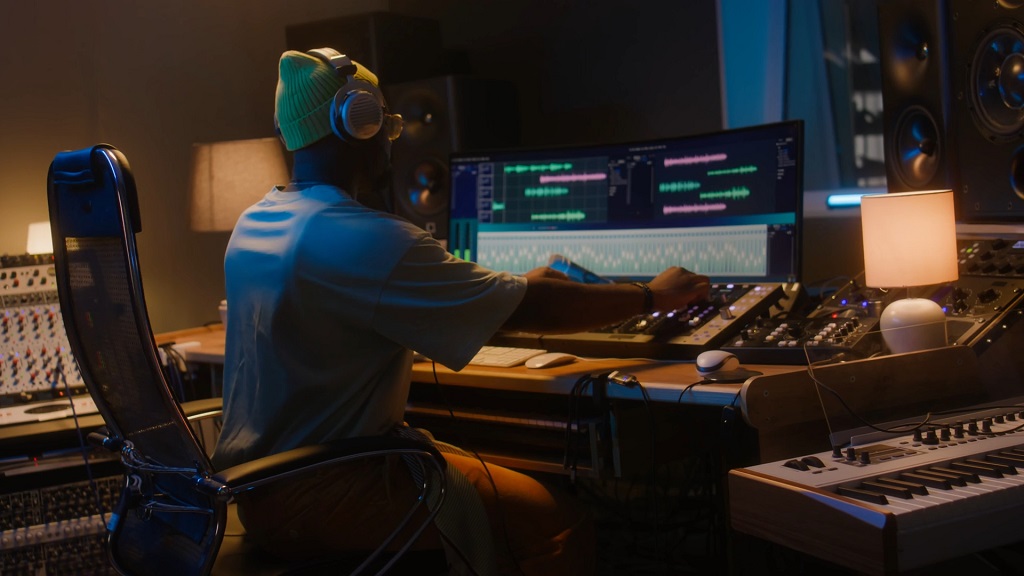
Context-based equalization avoids misleading decisions. Solo adjustments often create imbalance once elements interact.
Small frequency adjustments outperform extreme boosts or cuts. Precision preserves natural tone.
Layered light compression shapes dynamics smoothly. Multiple gentle stages feel more transparent than heavy single compression.
Sidechain compression improves clarity between competing elements. Common applications include rhythmic separation and vocal intelligibility.
Multiband compression controls problematic frequency ranges without affecting the entire signal.
Stereo width develops through intentional panning and short delays. Short vocal delays maintain presence while avoiding reverb buildup.
Organization and Workflow
Personalized mix order increases efficiency and consistency. Many engineers address rhythm sections first, followed by vocals and harmonic elements.
Breaks restore perspective. Passive listening sessions expose remaining issues.
Peer feedback reduces tunnel vision. External opinions reveal problems missed during long sessions.
Mastering
Mastering ensures translation across playback systems while meeting platform requirements. Objective evaluation becomes critical during final preparation.
Why Mastering Matters
Mastering aligns mixes with loudness, dynamic range, and tonal balance expectations used across streaming services. Compatibility improves across devices and environments.
Quality control intensifies during final evaluation. Minor flaws become obvious at this stage.
Essential Pre-Mastering Checklist
Most mastering problems originate earlier in the process. Careful mix review saves time and frustration.
Reference material guides loudness and tonal decisions. Genre-specific targets inform processing choices.
Mastering Signal Chain Tips
Accurate monitoring forms the foundation of reliable decisions. Calibrated headphones and correction tools support consistency in untreated spaces.
Equalization remains subtle and corrective. Small low and high adjustments shape balance while targeted fixes address problem areas.
Tape saturation and compression smooth transients and peaks. Mastering-grade compressors preserve detail.
De-harshing tools reduce aggressive frequencies without dulling clarity.
Clipping and soft limiting manage peaks gradually. Multiple gentle stages preserve punch and impact.
Final limiting caps loudness while protecting dynamics. Reduction stays within two to three dB. Output ceiling remains at minus zero point three dB to avoid distortion.
Final Checks and Validation
Metering confirms compliance. LUFS, true peak, and dynamic range readings improve accuracy when checked across multiple tools.
Final A B comparison against reference material verifies balance and impact.
Summary
Music mastery involves interconnected systems rather than isolated techniques. Writing, practicing, recording, mixing, and mastering succeed best when guided by structure, intention, and feedback.
Skill development outweighs gear acquisition. Long-term growth depends on disciplined routines and critical listening habits applied consistently across every stage.