

Stay with us and find out where the next one takes us.
- Seattle Housing Market 2026, Is Now a Better Time to Buy a House? - October 21, 2026
- US States Ranked by Work-Life Balance, Where Are People Happiest? - October 20, 2026
- More Than 30% of Homes in California Now Sell for Over $1 Million - October 20, 2026
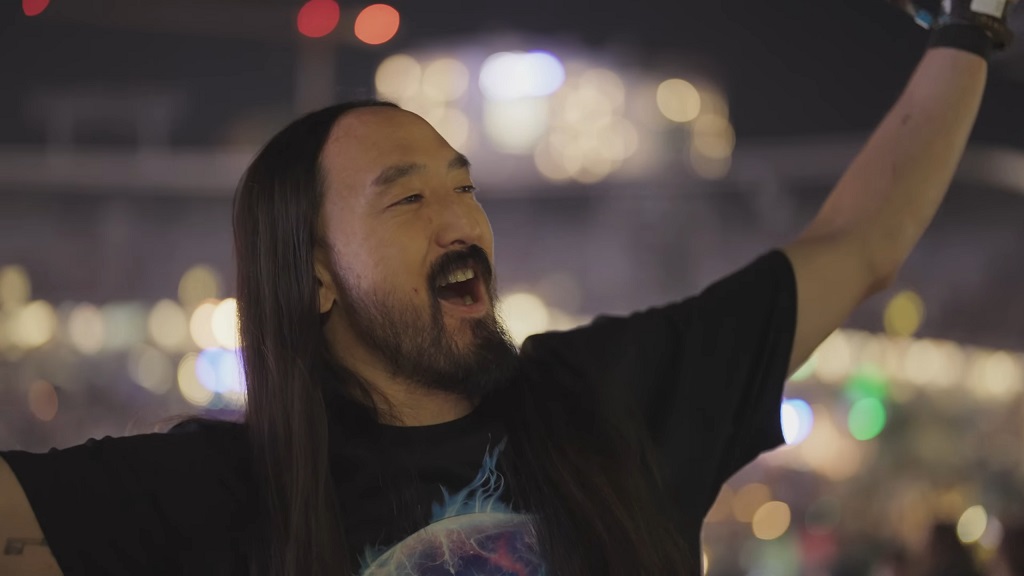
For millions of festivalgoers, Steve Aoki is instantly recognizable: long hair, a huge EDM drop, a leap across the stage, then a sheet cake sailing toward somebody in the front row. The image is accurate, yet it captures one layer of a career built over three decades.
Aoki was organizing punk and hardcore shows before he became an arena-level DJ. He launched Dim Mak at 19, developed a reputation as an obsessive touring artist, and later created a foundation focused on brain science. The common thread is a habit of building communities around whatever fascinates him.
His Career Started in a College Punk Scene
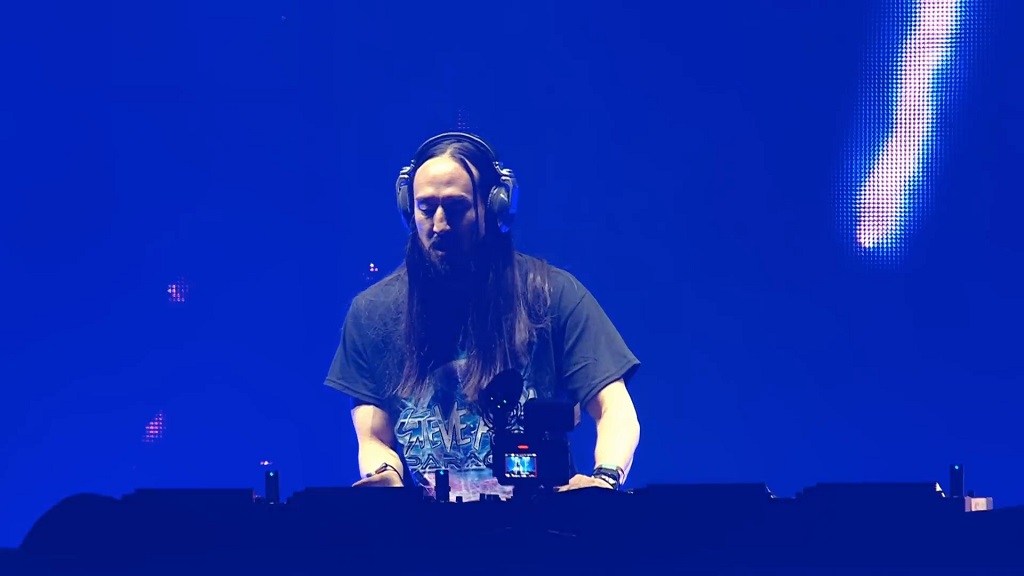
Aoki’s early story feels far removed from giant festival stages. As a student at the University of California, Santa Barbara, he was active around KCSB radio and the local indie and punk community.
UCSB’s campus archive records his involvement in organizing shows at Biko House, a cooperative space in Isla Vista, as well as releasing music from his apartment.
View this post on Instagram
The future superstar DJ first learned how to create momentum in rooms without giant production budgets. Punk’s DIY culture shaped his approach to promotion, touring, and independent releases.
Dim Mak arrived in 1996, when Aoki was 19. Its earliest identity grew from underground guitar music and the same do-it-yourself mentality surrounding his college years. Aoki eventually moved deeper into DJing and electronic production, while the label kept growing as its own operation.
Dim Mak Became a Career of Its Own
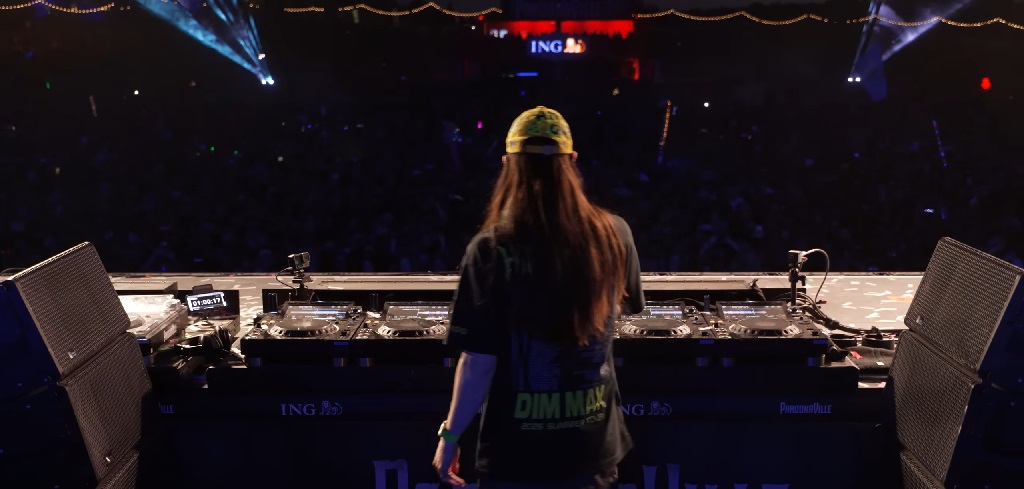
Dim Mak offers one of the clearest ways to see Aoki as a builder.
The Los Angeles-based company describes itself as an independent record label, events company, and lifestyle brand. According to the label’s Steve Aoki profile, its history includes releases connected with acts such as Bloc Party, The Kills, The Bloody Beetroots, Zedd and The Chainsmokers.
View this post on Instagram
Aoki’s taste moved with the culture. Indie rock and electro collided in the 2000s, dance music exploded globally, and Dim Mak expanded with it. The company later launched the Latin-focused Dim Mak En Fuego imprint and developed clothing collaborations alongside music.
In 2026, the Dim Mak website is marking the company’s 30-year history with its DM30 branding. A college-bedroom label surviving for three decades says plenty about the organizational side of a man usually photographed in mid-jump.
The Famous Cake Began as a Marketing Idea
Even the cake has a backstory rooted in the label.
In 2011, Dim Mak artist Autoerotique released “Turn Up the Volume.” Its music video featured cakes exploding into people’s faces in slow motion. Aoki liked the imagery and decided to recreate it during a live set while promoting the track.
Early cakes even carried the song title. In Aoki’s account of the stunt, he recalled adding cakes to his show rider and keeping the tradition after the song had left his regular sets. Fans responded, videos spread online, and signs asking to be caked began appearing at shows.
A promotional stunt had developed into a ritual between performer and audience.
View this post on Instagram
Digital entertainment often uses a similar cycle of anticipation and payoff. Guides from Sportzino show how progressive games build excitement around jackpots that grow over time, while Aoki creates anticipation around a much more physical question: who is getting the next cake?
Inflatable rafts, stage dives, and cake throws all came from Aoki’s interest in making crowds participate.
From a distance, the spectacle can look gloriously ridiculous. Inside the venue, it works like a shared joke that thousands of people already know.
Relentless Touring Became Part of the Aoki Myth
Aoki’s work rate has generated its own mythology, and one number gives the reputation some scale.
Guinness World Records lists him as the most-travelled musician of 2012. He covered 389,221 kilometres and performed 168 shows during that year, based on data originally compiled by Songkick.
The schedule helps explain the title of his 2016 Netflix documentary, I’ll Sleep When I’m Dead. It also makes the cake ritual easier to view as repeatable live-show engineering. Every city could get a recognizable Aoki moment even as the tour moved at punishing speed.
His Family Story Shaped the Entertainer
Steve Aoki is the son of Rocky Aoki, the colorful entrepreneur who founded Benihana. His relationship with that legacy carried admiration, tension, and distance.
Aoki grew up primarily with his mother in California and saw his father during visits, according to a Los Angeles Times profile. His 2019 memoir, Blue: The Color of Noise, explores family expectations, Japanese American identity and his path through underground music.
Rocky’s influence appears clearly in Steve’s appetite for spectacle and business building. Benihana turned dinner into theater.
Decades later, Steve built live shows where audiences wait for a ritual involving flying dessert. Different industries, similar instinct: create an event people will retell later.
Brain Science Became a Serious Long-Term Interest
One of Aoki’s least expected projects sits far from nightclub culture.
The Aoki Foundation’s mission focuses primarily on brain science, regenerative medicine and brain preservation. Its work also reaches into longevity research, neurological disease and public conversations with scientists. Aoki serves as chairman.
Futurism already runs through his creative work, especially the Neon Future projects. The foundation gives part of that curiosity a philanthropic direction.
Some longevity-related fields remain early-stage or debated, so scientific claims still require the usual evidence and caution. Aoki’s involvement, however, has been sustained for years.
He Is Also a Serious Collector
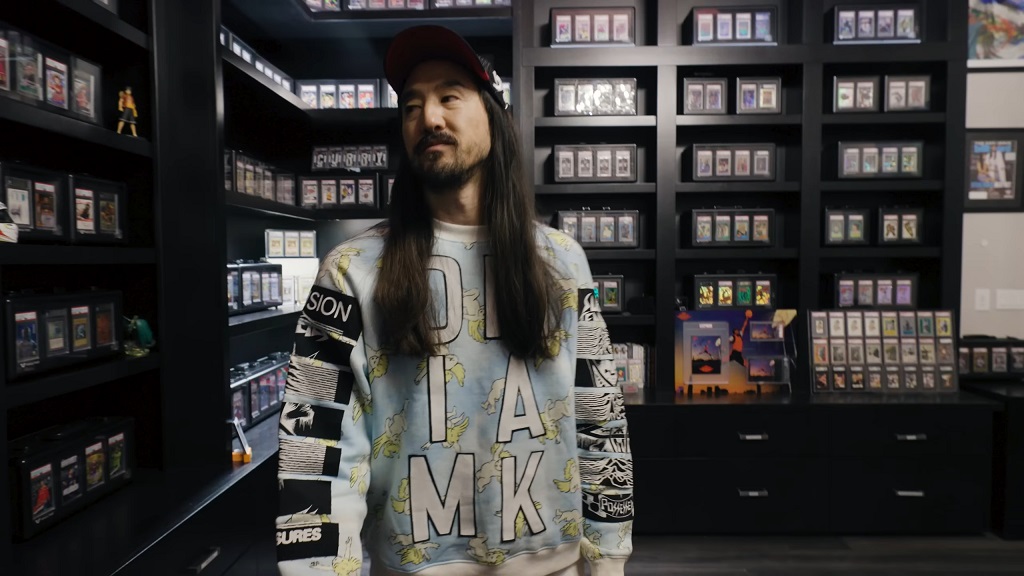
Touring stopped during the pandemic, giving Aoki an unusual amount of time at home. He became absorbed in baseball cards, Pokémon cards, and digital collectibles. He later told Forbes about his collecting and the projects that grew from that interest.
By 2026, a Sports Illustrated profile reported that his collection had grown to more than 35,000 cards, spanning sports, Pokémon and pop culture. Aoki has also built public-facing projects around collecting and treated the hobby as another form of cultural curation.
The connection to his earlier life is easy to see. Record-label work depends on spotting artists and scenes with energy. DJing depends on selection.
Collecting applies a similar instinct to physical objects, with rarity, story and cultural memory determining what earns a place.
Steve Aoki Makes Sense as a Scene Builder
The flying cakes remain part of Aoki’s identity, and few performers have a visual signature so strange or memorable.
His longer career comes into focus through the communities he has built. A college apartment became a venue and label office.
Dim Mak became a platform for other artists. Futurist interests fed a science-focused foundation. Collecting opened another cultural lane.
Across every project, Aoki keeps returning to the same move: find an obsession, gather people around it, and turn the energy into something larger.